


Concrete Ceiling Grinding Robot 3.2 m Working Height
Write a Review
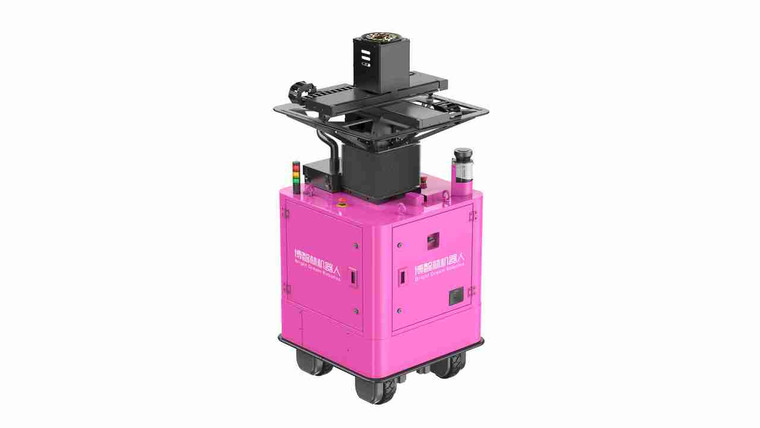
Concrete Ceiling Grinding Robot 3.2 m Working Height
Product Overview
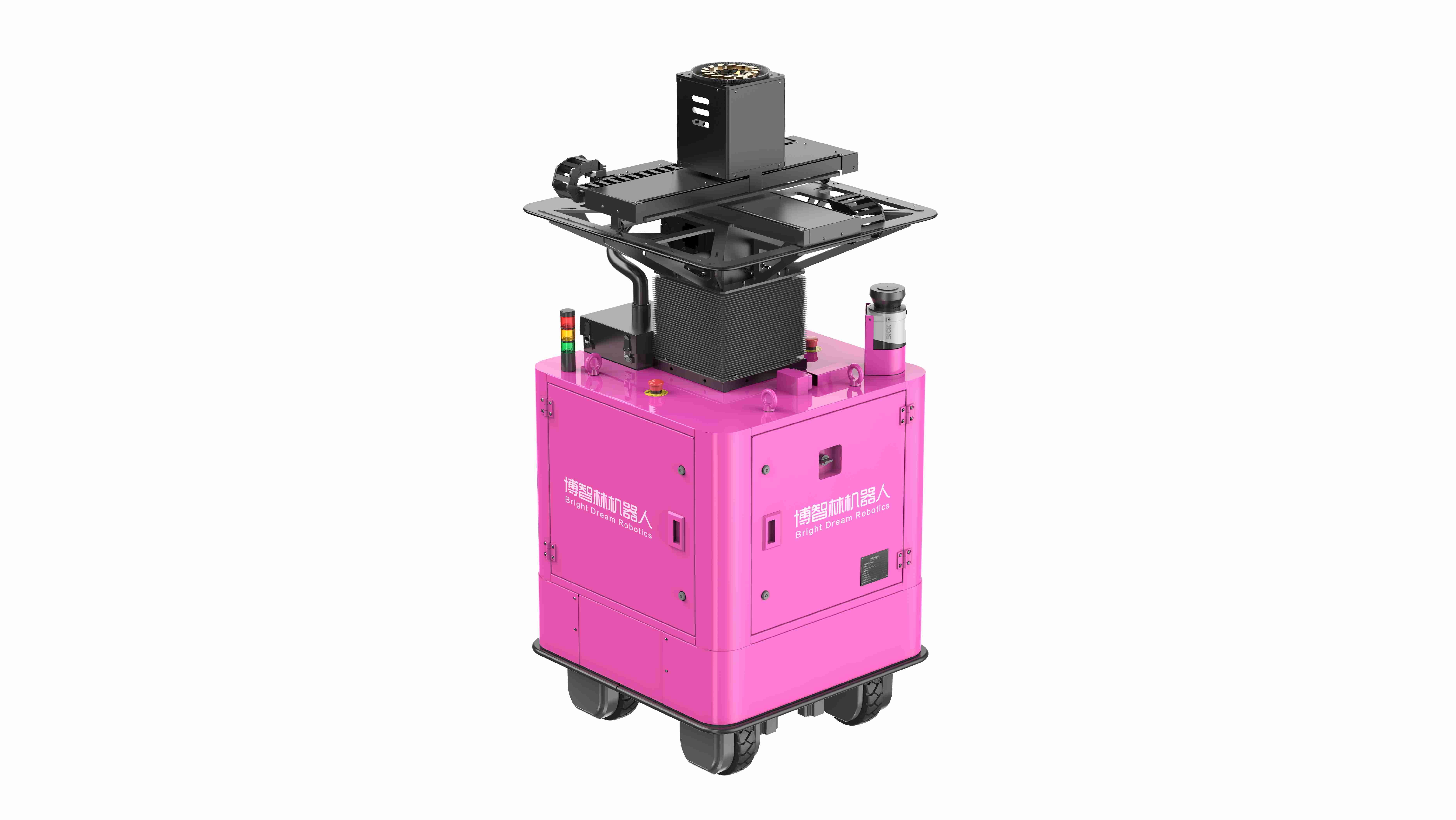
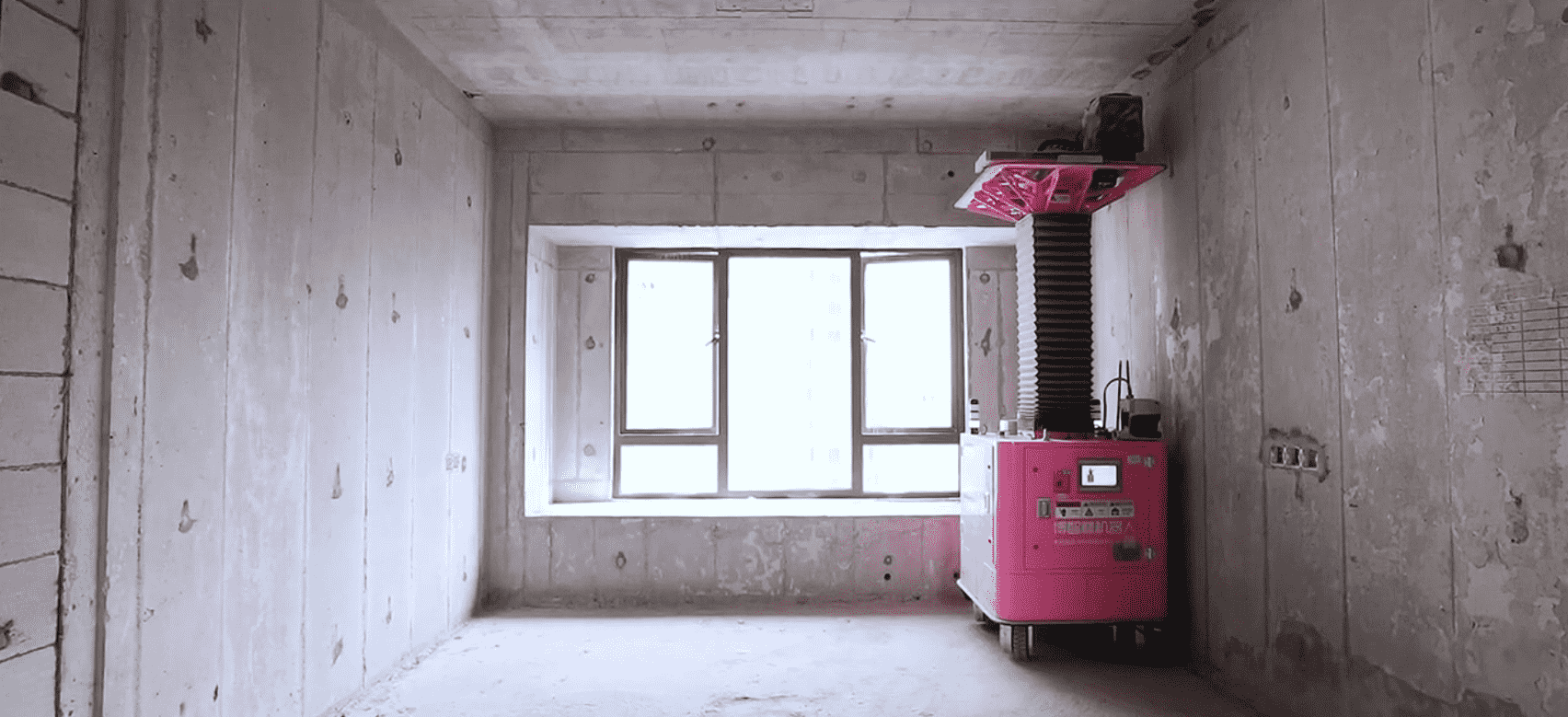
The Concrete Ceiling Grinding Robot is an automatic machine for grinding ceiling joints, overflow, misalignment, and burst points indoors. It operates in fully automatic or semi-automatic mode: the robot measures ceiling defects, uses BIM for path planning, and relies on pressure sensing and a lifting system to grind joints and burst points.
A built-in dust collection system minimizes dust pollution and improves the work environment. With a maximum operating height of 3.2 m, it suits residential, hotel, apartment, and office projects. After grinding, the ceiling meets smoothness standards for inspection and acceptance.
Key Features
Automatic Grinding
Grinds ceiling joints and burst points automatically with BIM path planning, pressure sensing, and a lifting system.
Efficient Coverage
Comprehensive efficiency of 48 m²/h, about twice manual grinding, with ceiling coverage up to 92.5%.
Workers Stay Grounded
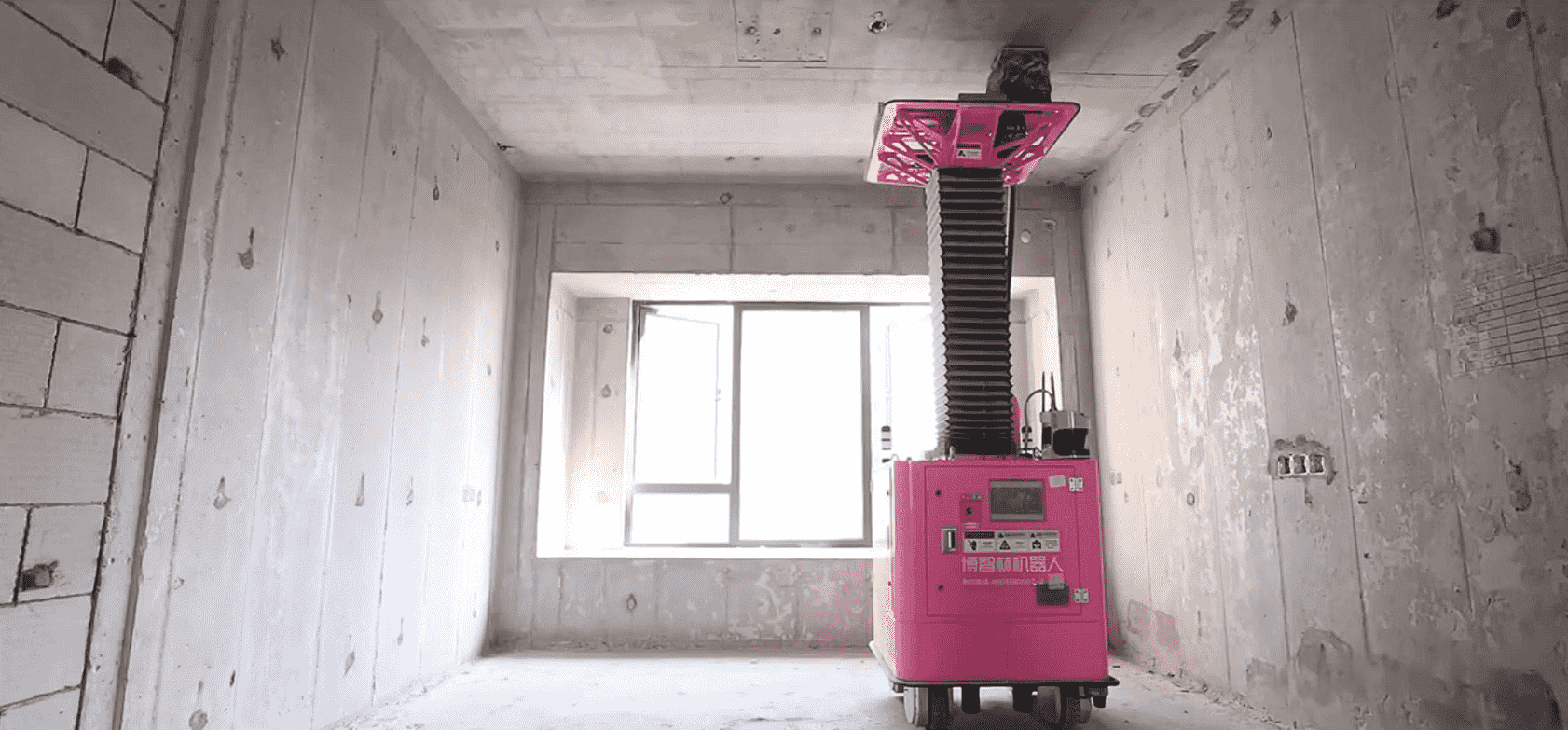
The robot completes grinding at heights up to 3.2 m, removing the need for elevated manual work.
Built-in Dust Collection
Automatic vacuum function reduces dust exposure and improves the jobsite working environment.
Application Areas & Deployment Scenarios
Designed for grinding concrete ceilings in buildings with ceiling heights within 3.2 m, in fully automatic or semi-automatic mode.
Residential Projects
Grind ceiling joints and burst points in apartments and housing units before handover inspection.
Hotels & Offices
Achieve smooth ceiling finishes in hotel and office interiors while keeping workers off ladders and scaffolds.
Combined Construction
Work alongside wall grinding and screw-hole sealing robots to shorten overall construction schedules.
Competitive Advantages & Industry Comparison
Compared with Manual Ceiling Grinding
Traditional challenge: Manual grinding at heights is slow, labor-intensive, dust-exposed, and carries fall risks.
Robot advantage: Automated grinding at 48 m²/h delivers consistent quality about twice as fast, while workers stay on the ground.
Compared with Generic Grinders
Traditional challenge: Handheld equipment depends on operator skill, and dust control is often an add-on.
Robot advantage: BIM-based path planning, pressure sensing, and integrated dust collection produce inspection-ready ceilings with less rework.
Quality That Passes Inspection
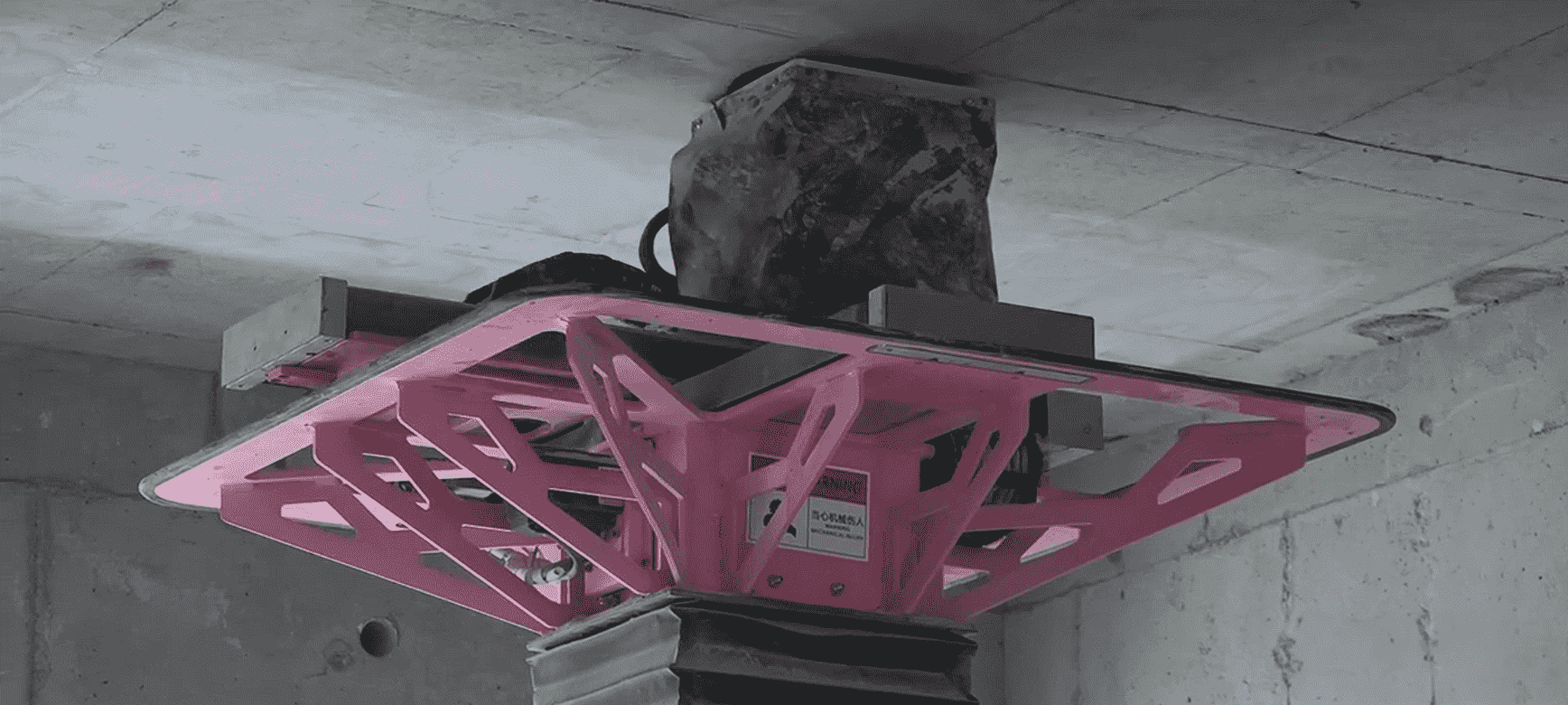
The grinding platform presses against the ceiling under controlled pressure, leveling joints and burst points to a height difference within ±2 mm. Coverage reaches up to 92.5% of the ceiling surface, and finished surfaces meet smoothness standards for inspection and acceptance.
ROI & Operational Value for B2B Clients
Working at a comprehensive efficiency of 48 m²/h — roughly twice manual grinding — the robot lets contractors compress ceiling-finishing schedules and reassign workers to ground-level tasks.
Built-in dust collection reduces cleanup time and improves site conditions. Grinding quality is consistent across shifts, cutting rework before inspection.
Evaluate site-specific ROI: Compare reassigned labor hours, schedule gains, and avoided rework against equipment, power, maintenance, and training costs. Actual results depend on ceiling area, defect density, and site logistics.
Technical Specifications
| Specification | Concrete Ceiling Grinding Robot |
|---|---|
| Robot Dimensions (L × W × H) | 800 × 800 × 1780 mm |
| Climbing Slope | ≤ 10° |
| Climbing Width (Ditch Crossing) | ≤ 60 mm |
| Climbing Height (Obstacle Crossing) | ≤ 30 mm |
| Endurance Period | ≥ 5.5 hours |
| Charging Period | 4.5 hours |
| Levelness | ± 2 mm |
| Height Difference (after grinding) | ≤ 2 mm |
| Grinding Coverage | Up to 92.5% of ceiling surface |
| Dust Collection | Built-in automatic vacuum function |
Specifications are provided by the manufacturer. Efficiency, coverage, and finish quality depend on ceiling conditions and operating environment; actual results may vary. Product type, application, operation mode, working height, grinding efficiency, and machine weight are listed in the product detail fields above and are not repeated in this table.
Frequently Asked Questions
What does the robot grind?
Concrete ceiling joints, overflow, misalignment, and burst points, in fully automatic or semi-automatic mode.
What ceiling height does it support?
The maximum operating height is 3.2 m, covering typical residential, hotel, apartment, and office ceilings.
How does it plan its grinding path?
It measures ceiling defects and uses BIM-based path planning with pressure sensing and a lifting system.
Is dust a problem?
No. A built-in automatic vacuum function collects dust during grinding and improves the jobsite environment.
How efficient is it compared with manual work?
Comprehensive efficiency reaches 48 m²/h, about twice manual grinding, with ceiling coverage up to 92.5%.
Can it work with other construction robots?
Yes. Combined use with wall grinding and screw-hole sealing robots can shorten total construction schedules.
Plan Your Ceiling Finishing Deployment
Share your project type, ceiling area, and defect conditions. Our team can help assess site fit, deployment requirements, and project pricing.
Request a Quote & ConsultationAbout robotmall
robotmall is a global B2B robotics solutions platform connecting manufacturers, technology partners, deployment providers, and businesses worldwide. We help enterprises evaluate robotic solutions, coordinate sourcing and deployment, and access post-deployment support and services through Robot.icu.
- Product Type:
- Concrete Ceiling Grinding Robot
- Application:
- Grinding ceiling joints, overflow, misalignment, and burst points indoors; projects with ceiling height within 3.2 m
- Operation Mode:
- Fully automatic or semi-automatic with BIM path planning
- Working Height:
- ≤ 3200 mm
- Grinding Efficiency:
- 48 m²/h
- Machine Weight:
- ≤ 500 kg


