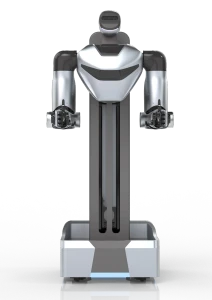
YMBot E Educational Humanoid Robot for AI & Robotics Learning
Escribir una reseña
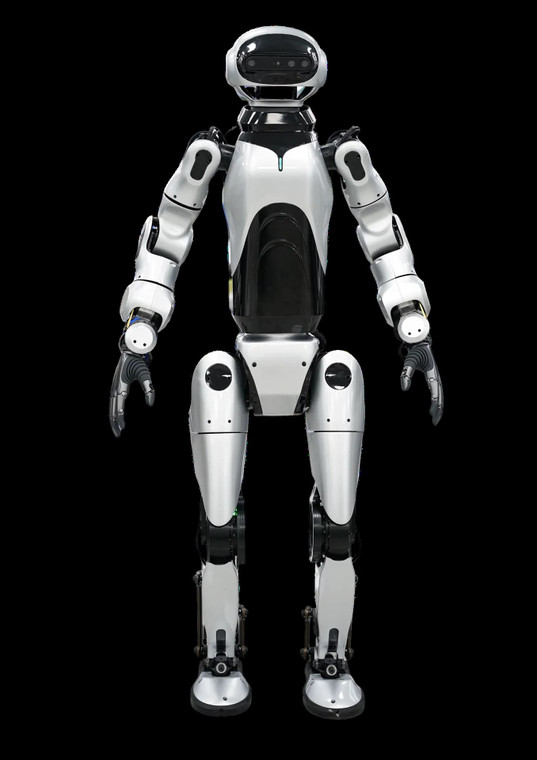
YMBot E Educational Humanoid Robot for AI & Robotics Learning
Product Overview
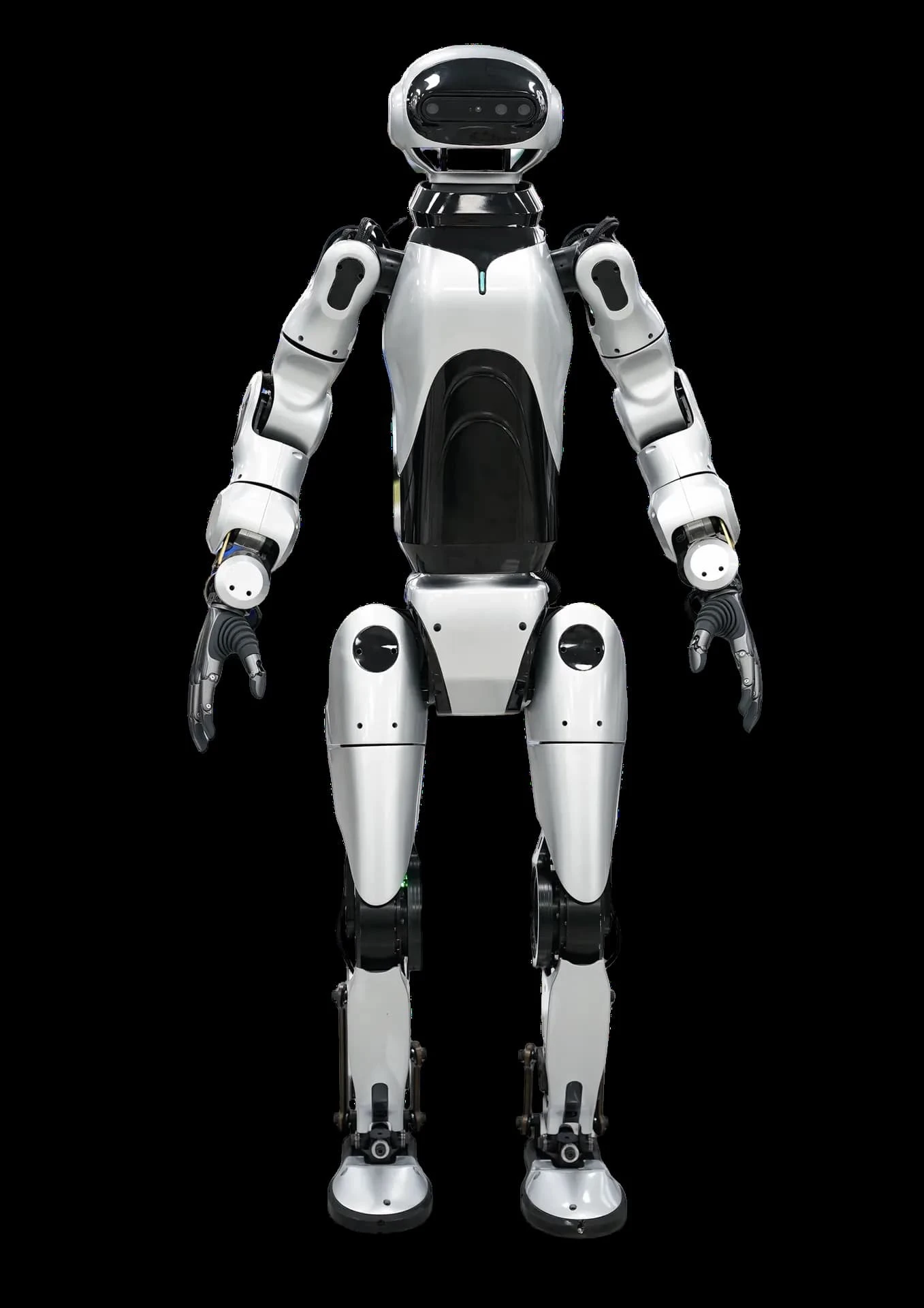
The YMbot E Educational Humanoid Robot is a bipedal platform built for robotics teaching, AI learning and secondary development. Twenty-five degrees of freedom — six per leg, five per arm, one at the waist and two at the head — run on dual-encoder joint modules with torque and position control, and the body carries an active stereo structured-light depth camera out of the box.
Runtime in motion is about 2 hours on a 10 Ah lithium battery. Low-level joint and sensor interfaces, a high-level motion interface and a URDF model expose the platform from single joints to whole-body motion, with optional five-finger dexterous hands and expansion to 30 degrees of freedom confirmed at quotation.
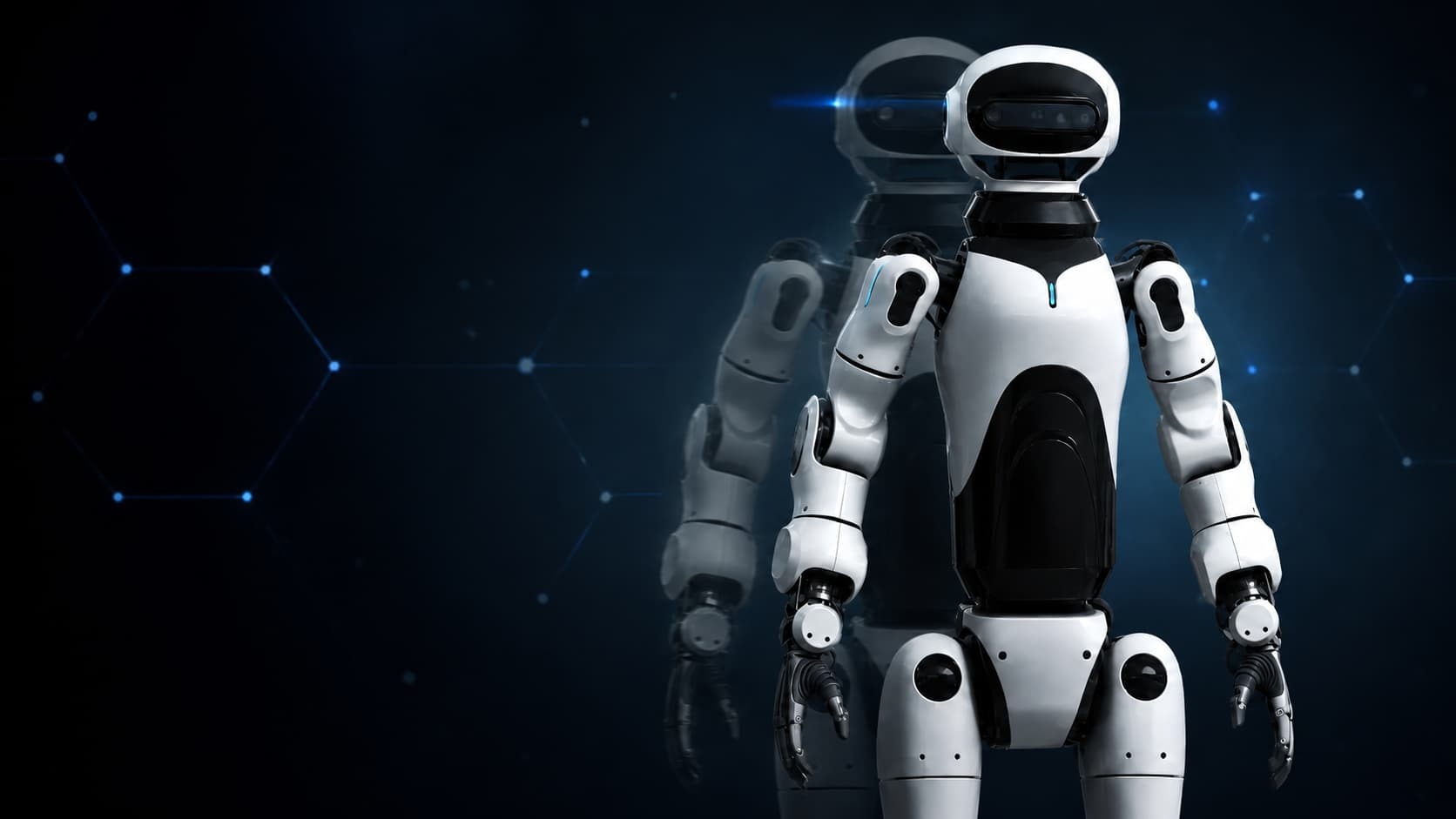
Key Features
25 DoF, Expandable to 30
Six per leg, five per arm expandable to seven, one waist, two head — with joints delivering 150 Nm or more.
Bipedal Motion System
Torque and position control on dual-encoder joint modules, walking at about 1 m/s on two legs.
Depth Sensing Onboard
An active stereo structured-light camera measures 0.25 to 10 m at 1280 × 800 depth resolution.
Open Development Stack
Intel 12th generation CPU, CAN and EtherCAT buses, ROS compatibility and a URDF model.
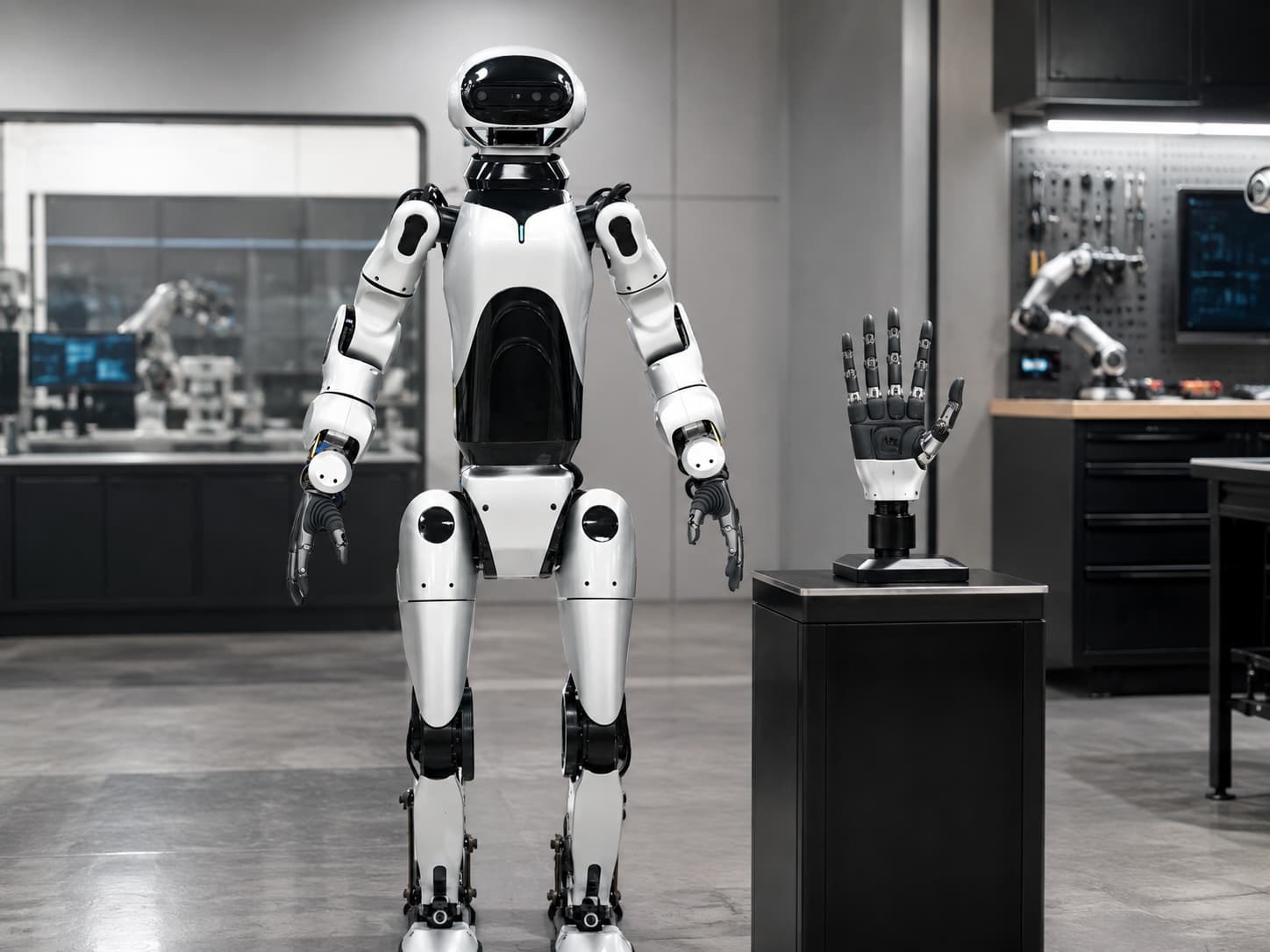
Application Areas & Deployment Scenarios
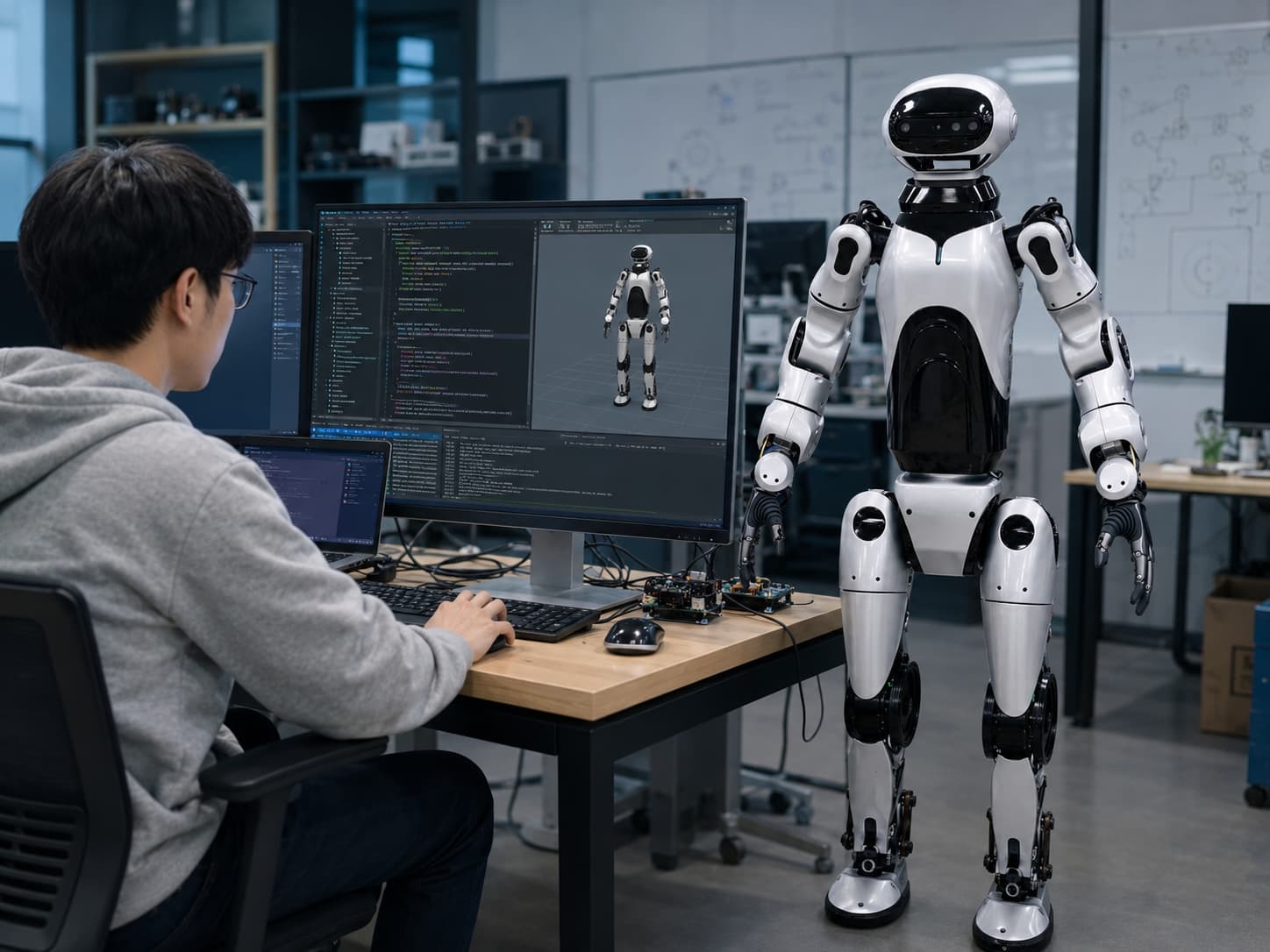
University Teaching Labs
A full-size humanoid for robotics and AI coursework, from single-joint control up to whole-body motion.
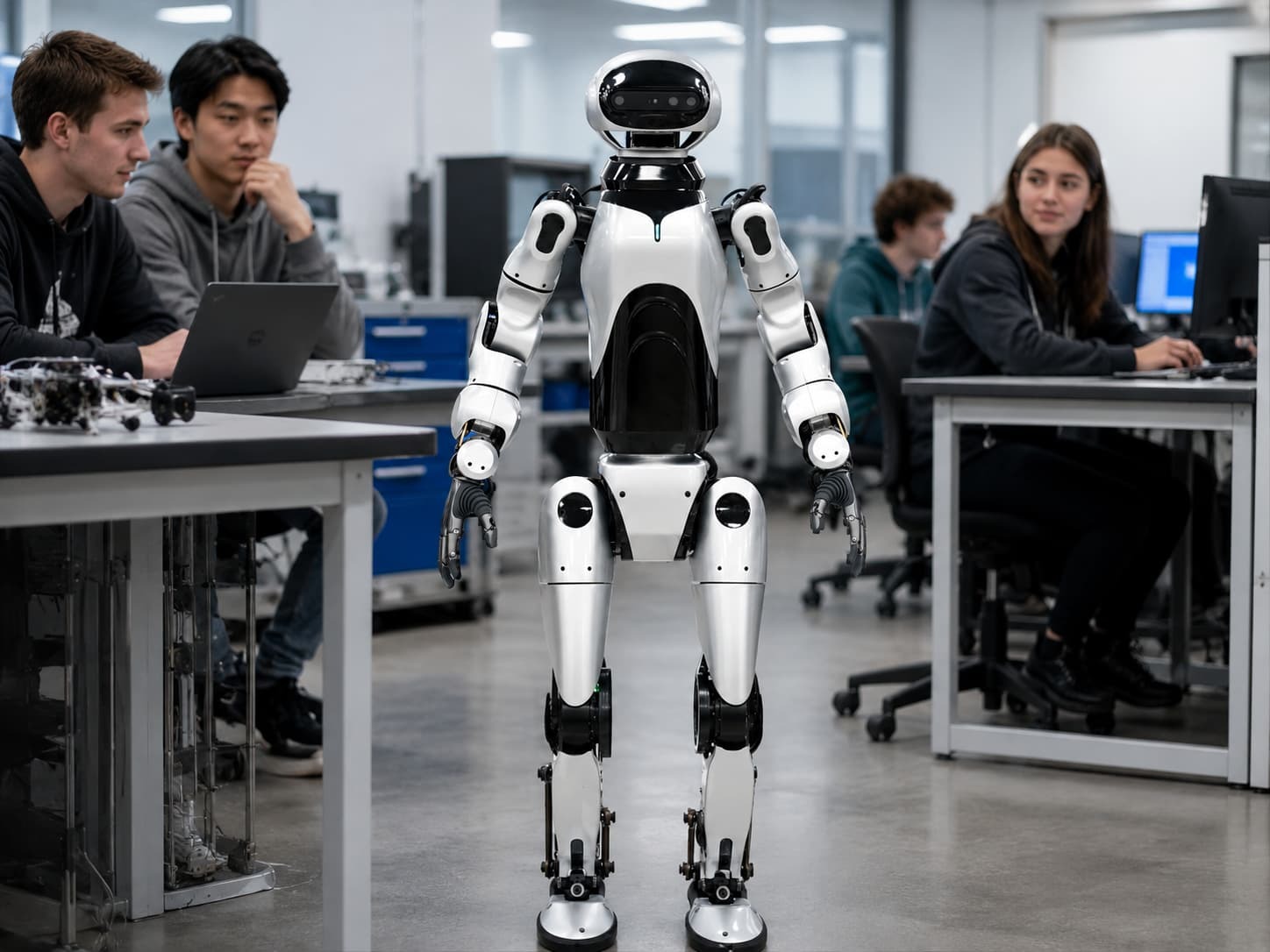
Manipulation and Perception Projects
Dual-arm tasks about 1.5 kg with depth-camera perception; optional dexterous hands add 12 joints per hand.
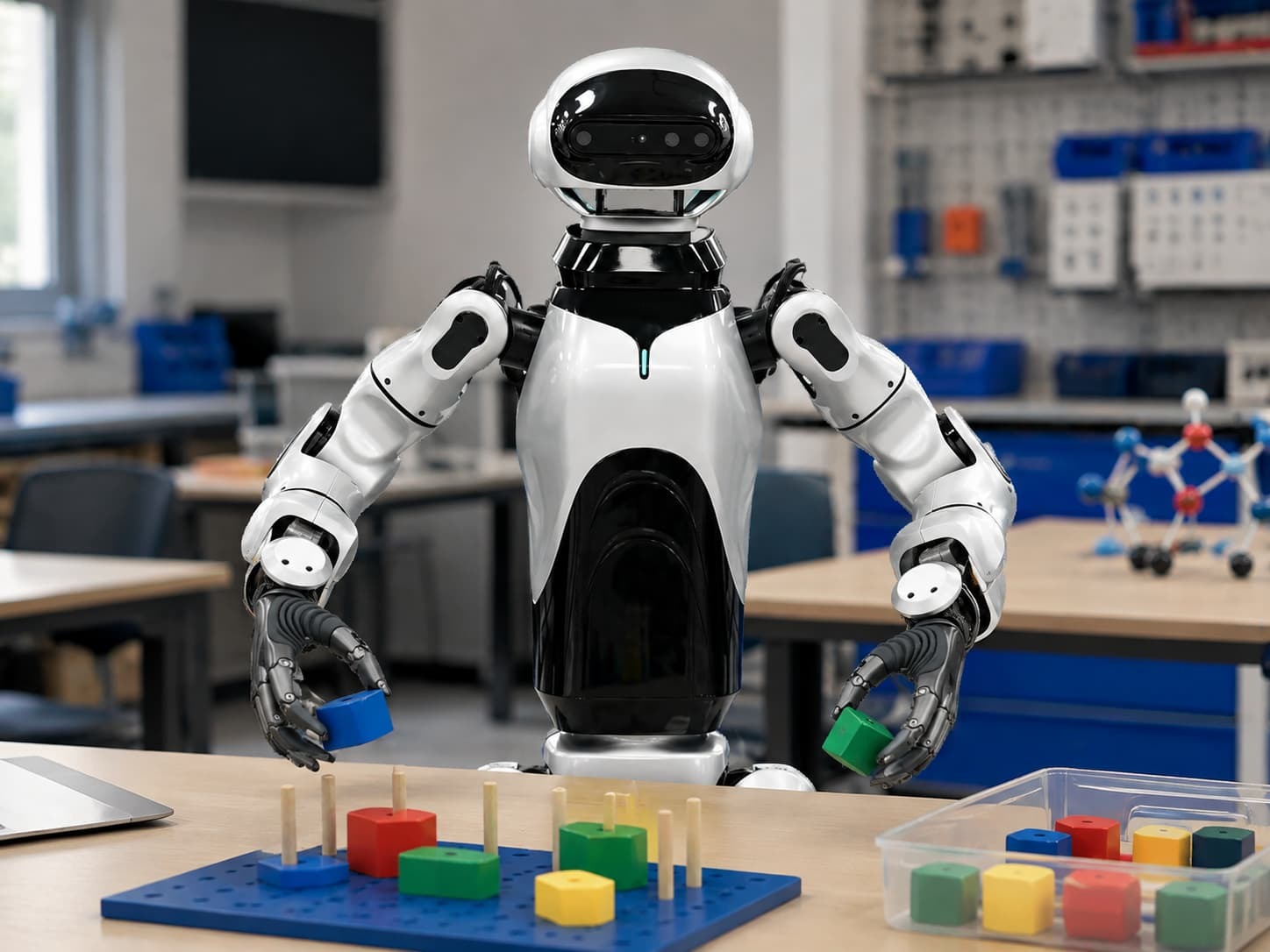
Research and Demonstrations
Motion control experiments and repeatable demonstration programs on a platform that also runs simulation models.
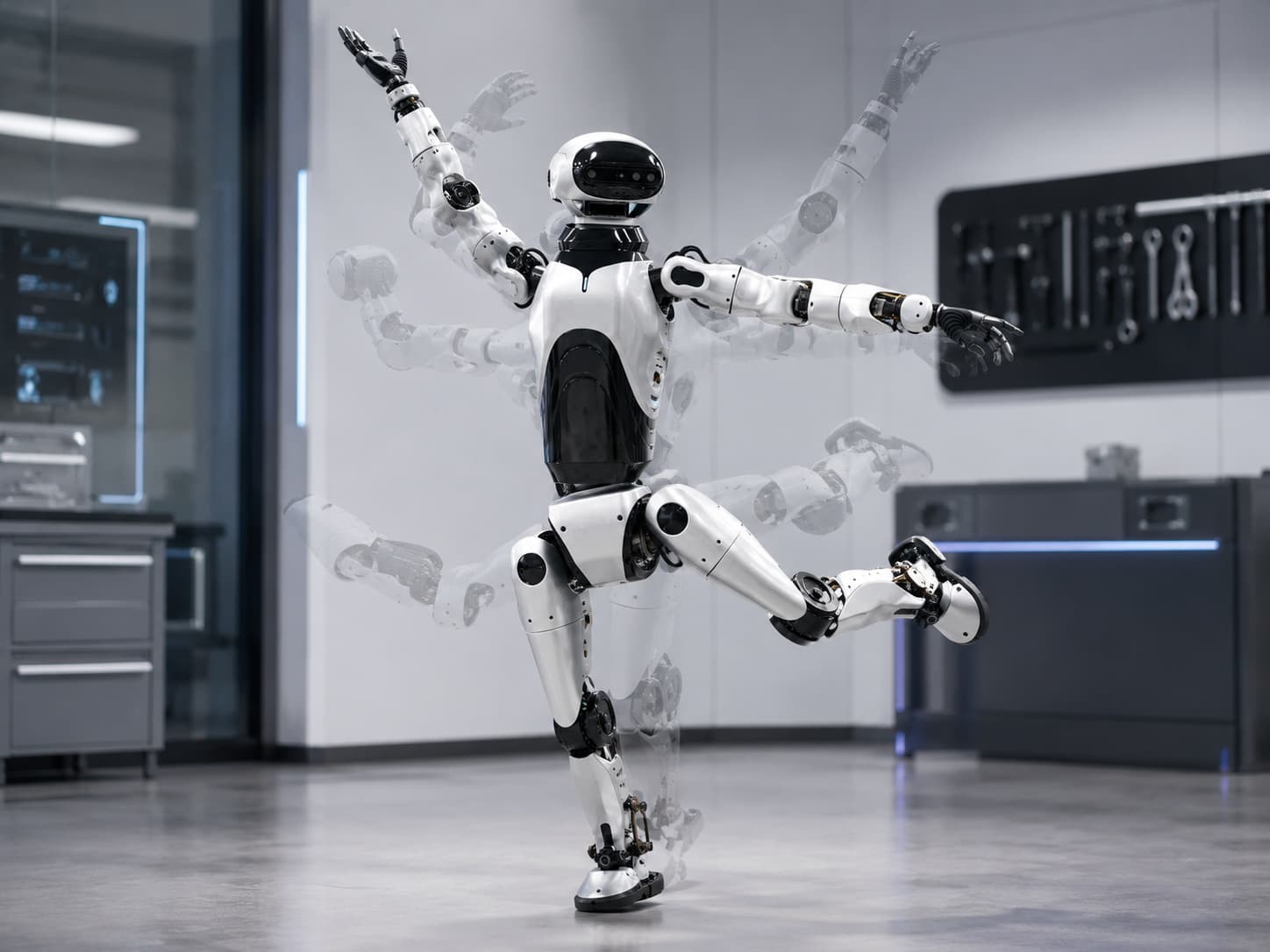
Product Design and Motion System
The legs carry six degrees of freedom each and the arms five each, driven by joints rated at 150 Nm or more with dual-encoder feedback. Torque and position control modes let coursework start at single-joint level and build up to whole-body motion.
Standing at least 1.3 m tall and weighing about 35 kg, the platform moves at about 1 m/s, and the optional five-finger dexterous hand adds six degrees of freedom and twelve joints per hand with force feedback.
Competitive Advantages & Industry Comparison
Fixed Robot Arms in Labs
A bench arm teaches manipulation at one workstation. The YMbot E adds bipedal locomotion, whole-body freedom and a human scale above 1.3 m for broader coursework.
Small Desktop Humanoid Kits
Desktop kits demonstrate walking at toy scale. The YMbot E brings 150 Nm-class joints, dual-encoder modules and CAN and EtherCAT industrial buses.
Simulation-Only Coursework
Simulation alone never meets hardware behavior. The URDF model provided with the YMbot E mirrors the physical robot, so coursework transfers from simulation to the real platform.
ROI & Operational Value
Teaching-lab cost is driven by how much hardware each course needs, how often platforms sit idle between terms, how much setup time research projects spend before results, and what advanced work costs on top. A single humanoid platform acts on each of these lines.
| Cost Line | Conventional Approach | With YMbot E |
|---|---|---|
| Hardware per course | Separate kits for control, perception and AI coursework | One platform covers joints, locomotion, depth perception and development |
| Setup time | Projects assemble custom hardware before any result | Interfaces, ROS compatibility and a URDF model are provided with the robot |
| Course-to-research continuity | Teaching rigs replaced or rebuilt for research work | The same platform runs coursework and secondary development |
| Advanced capability | New hardware purchased for manipulation or advanced motion work | Optional dexterous hands and expansion to 30 DoF confirmed at quotation |
| Between-term utilization | Bench equipment idle outside scheduled sessions | Repeatable demonstration programs run on demand for visitors and events |
Send your course list, lab space and current equipment setup, and the cost comparison for your program comes back with the quotation.
Technical Specifications
| Specification | YMbot E |
|---|---|
| Overall Weight | Approx. 35 kg |
| Leg Degrees of Freedom | 6 per leg |
| Arm Degrees of Freedom | 5 per arm, expandable to 7 |
| Waist Degrees of Freedom | 1 |
| Head Degrees of Freedom | 2 |
| Joint Peak Torque | 150 Nm or more |
| Joint Control | Torque and position control |
| Joint Module | Dual-encoder joint module |
| Maximum Moving Speed | Approx. 1 m/s |
| Communication | CAN bus, EtherCAT bus |
| Battery | Lithium battery 10 Ah |
| Charger | Provided with the robot |
| Processor | Intel 12th generation CPU |
| Development Interfaces | Low-level joint and sensor interfaces plus high-level motion interface |
| Communication Protocol | Compatible with ROS |
| Model Support | URDF model provided |
| Depth Camera Type | Active binocular structured light, 100 mm baseline |
| Depth Measurement Range | 0.25 m to 10 m |
| Relative Depth Accuracy | Under 2% at 4 m (1280 × 800, 81% ROI) |
| Depth Image Resolution | 1280 × 800 |
| Depth Field of View | H 91° / V 66° / D 101° ± 3° at 4 m |
| Color Camera Field of View | H 94° / V 68° / D 104° ± 3° |
| Optional End Effector | Five-finger dexterous hand (motor force-feedback version) |
| Dexterous Hand Freedom | 6 DoF and 12 joints per hand |
| Dexterous Hand Grip Force | Thumb up to 15 N, four fingers up to 10 N |
| Grip Force Resolution | 0.5 N |
| Warranty | Warranty information available upon request. |
Specifications are provided by the equipment source material. Product type, model, total degrees of freedom (25 DoF expandable to 30), dual-arm collaborative payload (approx. 1.5 kg), standing height (at least 130 cm) and runtime in motion (approx. 2 h) are listed in the product detail fields above and are not repeated in this table. The ROS version, charging time, single-arm load, packaging dimensions and certifications are not stated in the source material and are subject to order confirmation.
Frequently Asked Questions
What can students develop on?
Low-level joint and sensor interfaces plus a high-level motion interface, ROS compatibility and a URDF model, running on an Intel 12th generation CPU with CAN and EtherCAT buses.
What does the depth camera provide?
Active binocular structured light over 0.25 to 10 m, with 1280 × 800 depth output, under 2% relative accuracy at 4 m and a 91-degree horizontal field of view.
Is the five-finger dexterous hand included?
It is an optional end effector with 6 degrees of freedom and 12 joints per hand, thumb grip up to 15 N and four-finger grip up to 10 N at 0.5 N resolution. Inclusion is confirmed at quotation.
How long does it run on a charge?
Runtime in motion is about 2 hours on the 10 Ah lithium battery. Charging time is not stated in the source material and is confirmed at order stage.
Can the robot expand from 25 to 30 degrees of freedom?
The source material lists expansion to 30 DoF with arm freedom expandable from 5 to 7 per arm. The exact expansion configuration is confirmed at quotation.
Does it support ROS2?
The source material lists ROS compatibility without a version number. If your coursework requires a specific ROS version, it is confirmed at order stage.
Request a Quote
Tell us your course list, lab space and current equipment setup, and we will confirm configuration, dexterous hand and expansion scope, delivery items and lead time.
About robotmall
robotmall is a global B2B robotics solutions platform connecting manufacturers, technology partners, deployment providers, and businesses worldwide. We help enterprises evaluate robotic solutions, coordinate sourcing and deployment, and access post-deployment support and services through Robot.icu.

- Product Type:
- Educational Humanoid Robot
- Model:
- YMBot E
- Degrees of Freedom:
- 25 DoF (Expandable to 30)
- Dual-Arm Payload:
- Approx. 1.5 kg
- Standing Height:
- At Least 130 cm
- Runtime in Motion:
- Approx. 2 h