





Automatic Floor Screeding Robot for Dry Mortar Leveling
Escribir una reseña

Automatic Floor Screeding Robot for Dry Mortar Leveling
Product Overview
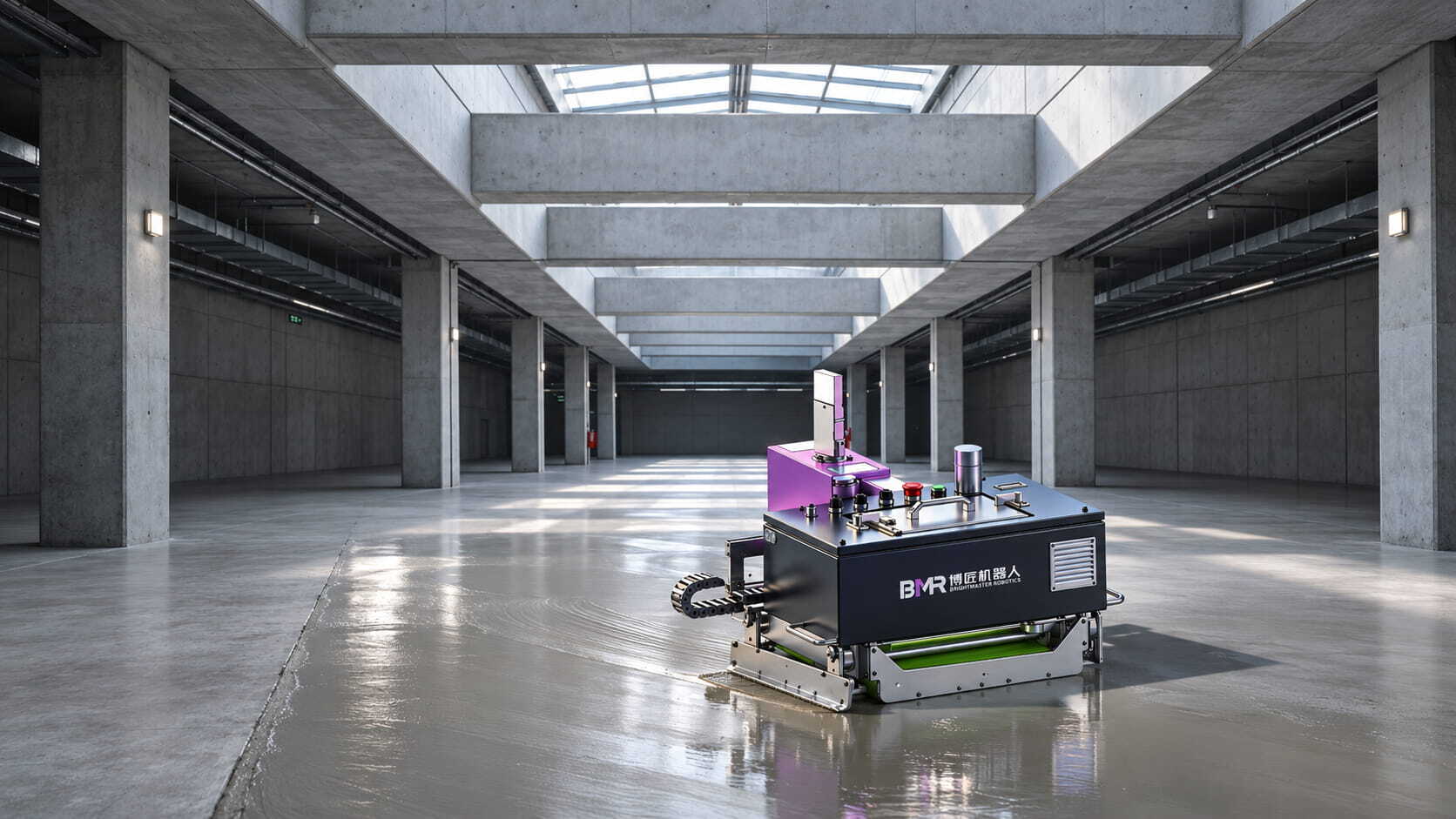
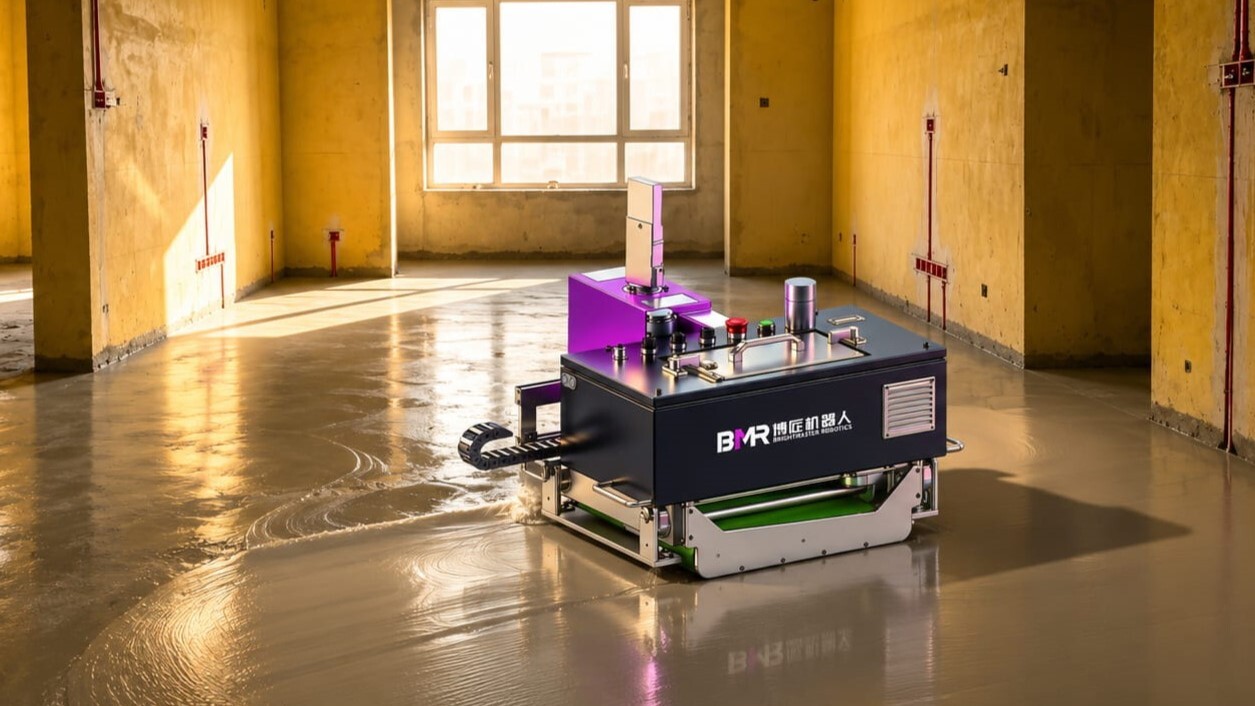
Floor Screeding Robot is a compact construction robot designed to level dry-mixed mortar on interior floors. It supports projects involving residential renovation, public buildings, metro station floors and screeding after underfloor heating installation.
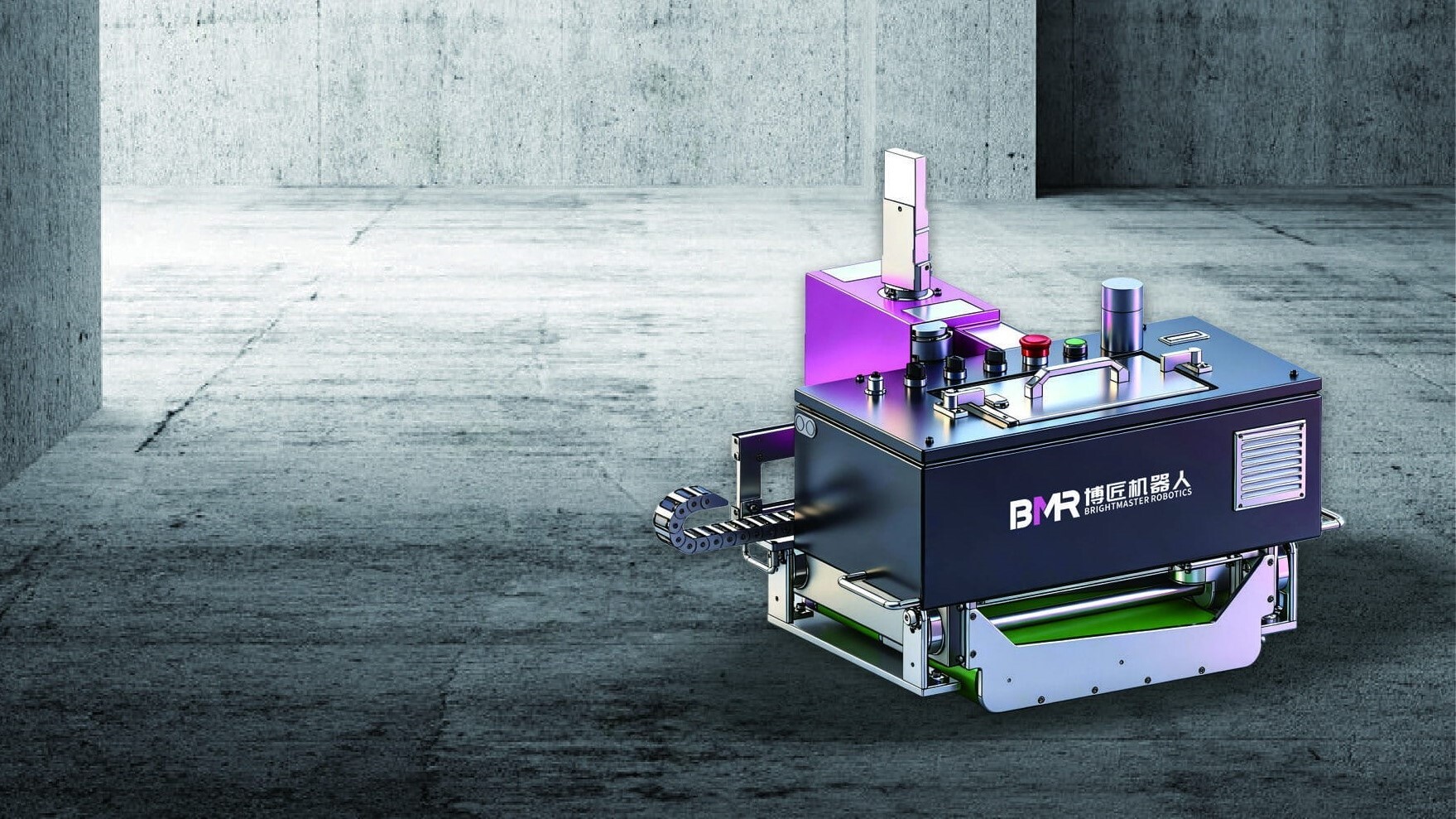
Through remote-controller-initiated, one-touch automatic operation, the robot combines independently developed motion-control algorithms, laser measurement and real-time control to assist with mortar screeding. Its published floor flatness is 3 mm over 2 m and theoretical productivity is at least 130 m²/h.
The machine weighs 65 kg and measures no more than 790 × 730 × 660 mm. This footprint is relevant to interior access, floor transitions and the layout of individual rooms or work zones.
Key Features
One-Touch Automatic Screeding
Remote-controller-initiated automatic operation helps reduce repetitive manual floor screeding work on suitable dry-mixed mortar surfaces.
3 mm Flatness Over 2 m
Laser measurement and real-time control support the published floor flatness specification of 3 mm across a 2 m reference length.
At Least 130 m²/h
The manufacturer lists theoretical productivity of at least 130 m²/h, subject to site layout, material and operating conditions.
Compact and Battery-Powered
A 65 kg machine with a 48 V 25 Ah power supply and at least six hours of stated runtime fits planned indoor screeding work.
Application Areas & Deployment Scenarios
Residential Construction and Renovation
Use dry-mixed mortar screeding for suitable indoor residential floors and renovation work where consistent floor flatness is required.
Underfloor Heating Backfill
Assist with floor screeding following underfloor heating installation, subject to the specified mortar system and finished-floor requirements.
Public Buildings and Commercial Interiors
Support screeding in schools, office buildings, retail interiors and other suitable finishing projects with accessible work areas.
Transit Stations and Large Public Projects
Apply the robot to suitable flooring zones within metro stations, transportation hubs and other public construction sites.
Why Choose This Floor Screeding Robot
Reduce Physical Repetitive Work
The screeding process ordinarily involves prolonged squatting and repeated use of straightedges. Automated screeding can reduce this repetitive workload for site personnel.
Consistent Flatness Requirements
The stated 2 m / 3 mm flatness target supports early planning for projects that require controlled floor preparation.
Laser-Guided Control
The manufacturer describes independently developed integrated motion control, laser measurement and real-time feedback as core technologies.
Task and Status Visibility
Published features include positioning, work-area statistics and machine status monitoring to support work management.
Operation & Site Planning
1. Confirm Substrate and Mortar Conditions
Review the underfloor system, dry-mix mortar specification, target screed thickness and relevant working area before deployment.
2. Set Up the Machine and Work Zone
Check access widths, charging arrangements, level reference and the area to be screeded. The supported screed thickness is 0–10 cm.
3. Start Automatic Screeding
Use the remote controller to initiate one-touch automatic operation and monitor the machine and mortar conditions as the work proceeds.
4. Inspect Flatness and Site Results
Check completed sections against the project acceptance standard and carry out any necessary edge or detail work.
Technical Specifications
Selected equipment parameters from the BrightMaster Robotics June and July 2026 product materials.
| Parameter | Floor Screeding Robot |
|---|---|
| Equipment type | Automatic dry-mixed mortar floor screeding robot |
| Dimensions (L × W × H) | ≤790 × 730 × 660 mm |
| Machine weight | 65 kg |
| Operating power | 300 W |
| Floor flatness | 3 mm over 2 m (2 m / 3 mm) |
| Theoretical productivity | ≥130 m²/h |
| Screeding thickness | 0–10 cm |
| Power supply | 48 V 25 Ah |
| Runtime | ≥6 h |
| Fast charging time | ≤3 h |
| IP rating | IP54 |
| Operating environment | −5°C to 40°C |
| Control | One-touch automatic screeding via remote controller |
| Technology | Integrated motion control, laser measurement and real-time control |
Frequently Asked Questions
What material does the Floor Screeding Robot work with?
The manufacturer describes the system for dry-mixed mortar screeding, not for concrete power-trowel finishing or hardened-floor grinding.
How accurately can it screed a floor?
Its published floor flatness is 3 mm over 2 m. Acceptance should follow the construction contract and actual site conditions.
What thickness can the robot level?
The stated screeding thickness range is 0–10 cm. The chosen mortar composition and floor system should be checked before operation.
Does the machine need an operator?
The remote controller initiates one-touch fully automatic screeding, but personnel should still prepare the area, observe the process and inspect finished work.
What runtime and charging time are listed?
The published runtime is at least six hours, with a fast charging time of no more than three hours.
Discuss Your Project Requirements
Share your floor area, screed thickness, dry-mix mortar type, floor conditions, construction schedule, destination country and required quantity to discuss a suitable screeding solution.
Request a Project QuoteAbout robotmall
robotmall is a global B2B robotics solutions platform connecting manufacturers, technology partners and businesses worldwide. We support solution evaluation, sourcing, deployment coordination and post-deployment services through Robot.icu.
- Model:
- Floor Screeding Robot
- Leveling Flatness:
- 3 mm over 2 m
- Theoretical Productivity:
- ≥130 m²/h
- Screeding Thickness:
- 0–10 cm
- Runtime:
- ≥6 h
- Machine Weight:
- 65 kg


