




850M / 850S Autonomous Floor Grinding Robot for Concrete Surface Prep
Escribir una reseña

850M / 850S Autonomous Floor Grinding Robot for Concrete Surface Prep
Product Overview
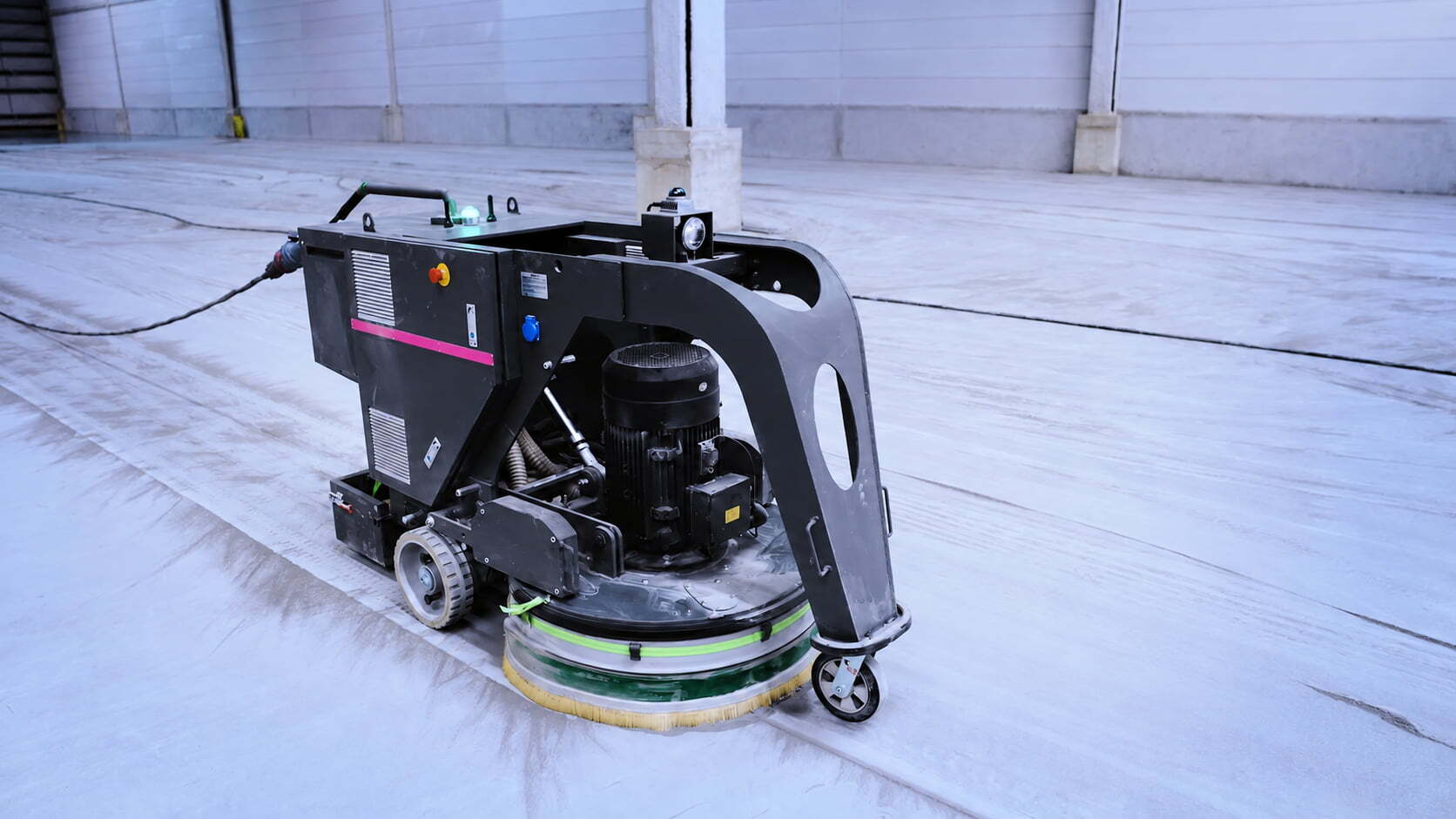
The 850M / 850S Floor Grinding Robot Series is designed for concrete surface preparation, especially for removing laitance and supporting large-area floor construction. The manufacturer positions this robot series for underground parking garages, factory workshops, laboratories, sports venues and other floor-construction scenarios.
According to the product page, the robots use LiDAR scanning to recognize wall and column positions, then perform intelligent path planning for real-time positioning, autonomous navigation and automatic grinding. The system also supports safety stop, grinding-disc protection, construction-data statistics, fault alarms and FMS cloud data management.
The main difference between the two variants is dust collection: 850M includes automatic dust extraction, while 850S is the simplified version without the dust-collection motor. Both share the same basic grinding platform, 850 ± 50 mm working width and 48 V 30 Ah battery system.
Product Video
Watch the 850M / 850S floor grinding robot in action and review the autonomous mapping, grinding workflow and jobsite application style.
Key Features
Autonomous Navigation
LiDAR scanning supports wall and obstacle recognition for auto-mapping, path planning and autonomous grinding operation.
850 mm Working Width
The grinding system covers an 850 ± 50 mm path width for efficient large-area floor surface preparation.
850M Automatic Dust Collection
The 850M variant adds a 2.4 kW vacuum motor to support automatic dust extraction during grinding.
FMS Data Management
Construction statistics, fault alarms and cloud-based FMS data management help support site visibility and service planning.
Application Areas & Floor Types
Concrete Surface Preparation
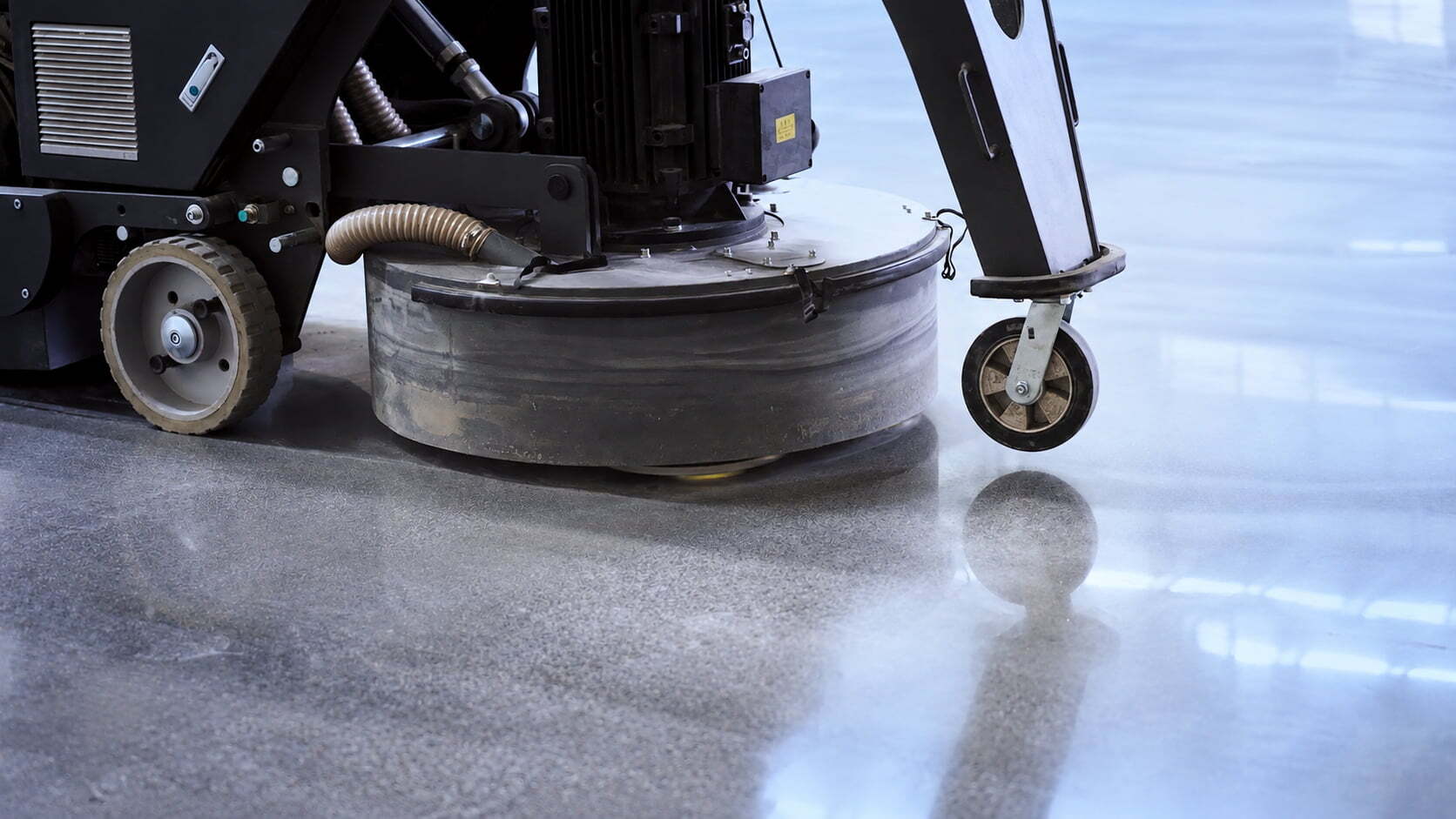
The robot is mainly used for removing laitance and preparing concrete surfaces before subsequent floor treatments or coatings.
Floor Construction Systems
Suitable for epoxy floors, sealed-cure hardener floors, emery sealed-cure floors, epoxy terrazzo, inorganic terrazzo and classic terrazzo applications.
Building Types
The manufacturer highlights use in underground garages, factory workshops, laboratories, sports facilities and similar large flat-floor environments.
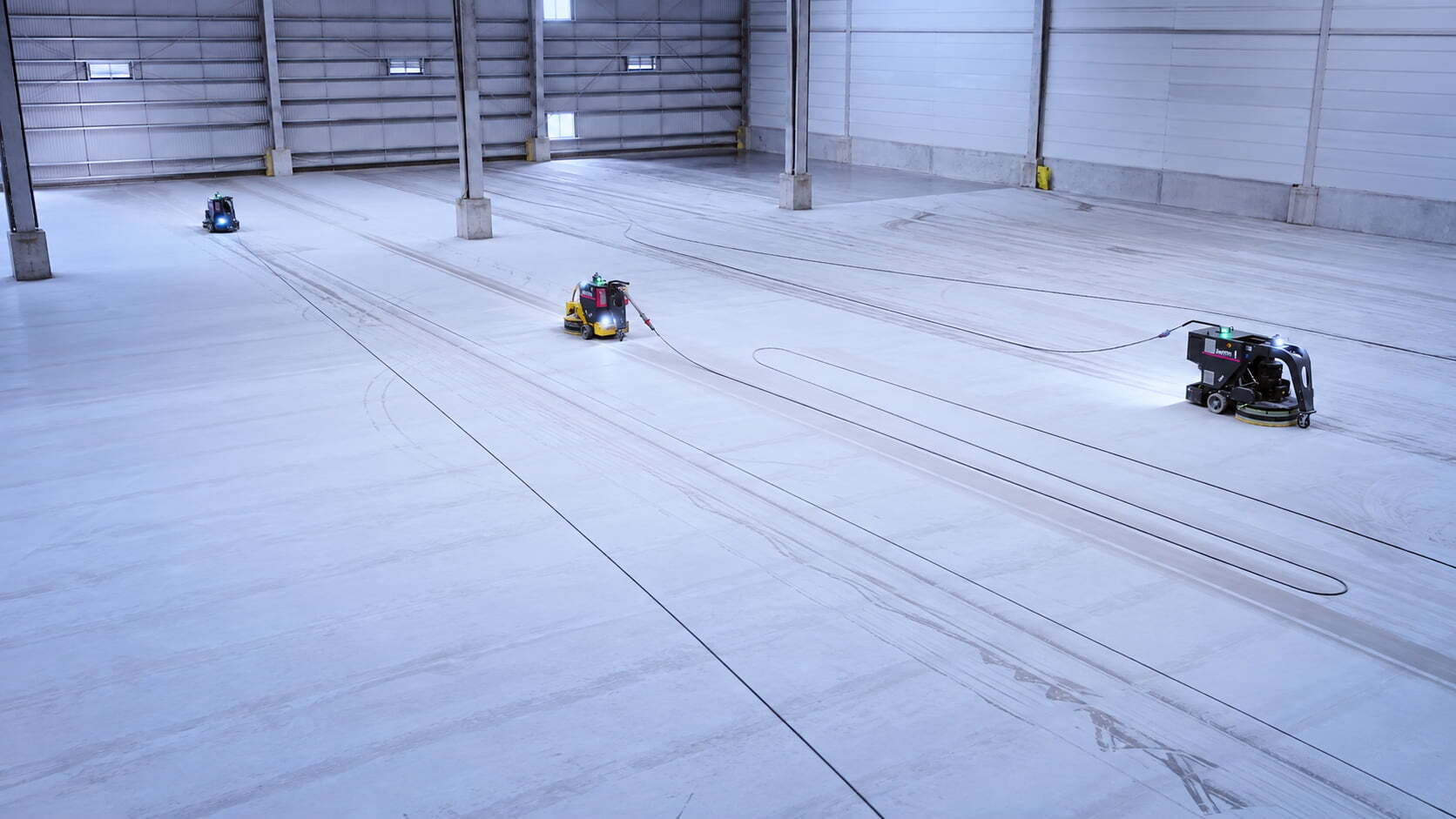
Multi-Robot Collaboration
The 850 series can be used in larger workshop-type environments where more than one robot helps improve floor-treatment productivity.
Why Choose the 850 Series
Reduced Manual Grinding Burden
Autonomous grinding helps reduce repetitive manual work and improve jobsite consistency for large-area floors.
Edge-Accessible Operation
The floor grinding robot can work close to edges and structures, improving practical site coverage in real projects.
Dust-Control Option
Customers can choose the 850M when integrated dust extraction is required, or 850S when a simplified grinding platform is sufficient.
Data Visibility & Alarms
Construction data statistics, fault alarms and safety stop functions support fleet oversight and daily site management.
Grinding System & Deployment Considerations
Grinding Disc Configuration
Both variants use a planetary grinding-disc configuration for concrete surface preparation and floor-treatment work.
Power and Charging
The 850 series uses a 380 VAC three-phase system with a 48 V 30 Ah battery platform for site mobility and operation.
Site Planning
Customers should confirm floor condition, dust-control strategy, electrical supply, working-clearance requirements and daily productivity targets before deployment.
Technical Specifications
Key published specifications for the 850M and 850S floor grinding robots.
| Parameter | 850M | 850S |
|---|---|---|
| Voltage | 380 VAC | 380 VAC |
| Power supply | Three-phase five-wire | Three-phase five-wire |
| Frequency | 50 Hz / 60 Hz | 50 Hz / 60 Hz |
| Grinding power | 18.5 kW | 18.5 kW |
| Dust-collection power | 2.4 kW | — |
| Working width | 850 ± 50 mm | 850 ± 50 mm |
| Grinding disc | Planetary disc | Planetary disc |
| Grinding speed | 400–2000 rpm | 0–2000 rpm |
| Travel speed | 0.5 m/s | 0.5 m/s |
| Battery | 48 V 30 Ah | 48 V 30 Ah |
| Endurance | 9 km | 9 km |
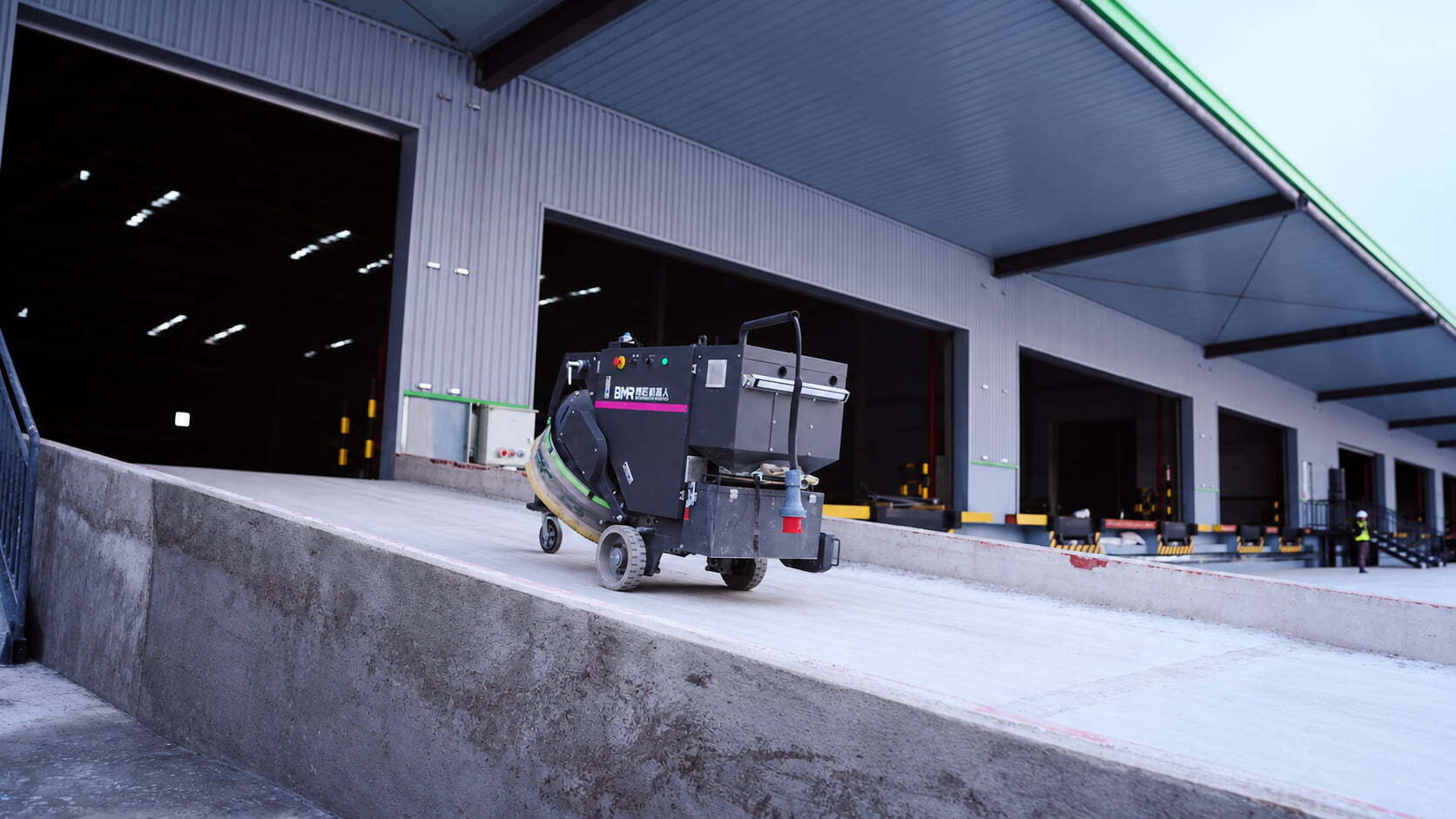
| Climbing ability | 15° | 15° |
| Positioning accuracy | 5 cm | 5 cm |
| Dimensions | 2030 × 915 × 1275 mm | 1520 × 866 × 1204 mm |
| Weight | 754 kg | 627 kg |
Frequently Asked Questions
What is the difference between 850M and 850S?
850M includes an automatic dust-collection system with 2.4 kW suction power, while 850S is the simplified version without the vacuum motor.
What floor types can this robot support?
The product page mentions epoxy floors, sealed-cure hardener floors, emery sealed-cure floors, epoxy terrazzo, inorganic terrazzo and classic terrazzo projects.
How does the robot navigate?
It uses LiDAR scanning to identify walls and columns, then performs intelligent path planning, autonomous navigation and automatic grinding.
Can it be used in workshops and garages?
Yes. The manufacturer specifically lists underground garages, factory workshops, laboratories and sports venues among the typical application scenarios.
Discuss Your Project Requirements
Share your floor type, working area, dust-control requirements, power conditions, project schedule and destination country to evaluate whether 850M or 850S is the better fit.
Request a Project QuoteAbout robotmall
robotmall is a global B2B robotics solutions platform connecting manufacturers, technology partners and businesses worldwide. We support solution evaluation, sourcing, deployment coordination and post-deployment services through Robot.icu.
- Models:
- 850M / 850S
- Working Width:
- 850±50 mm
- Grinding Power:
- 18.5 kW
- Power Supply:
- 380 VAC
- Battery:
- 48V 30Ah
- Positioning Accuracy:
- 5 cm


