




TRON 1 Multi-Modal Biped Robot for Embodied AI Research
Bewertung schreiben

TRON 1 Multi-Modal Biped Robot for Embodied AI Research
Product Overview
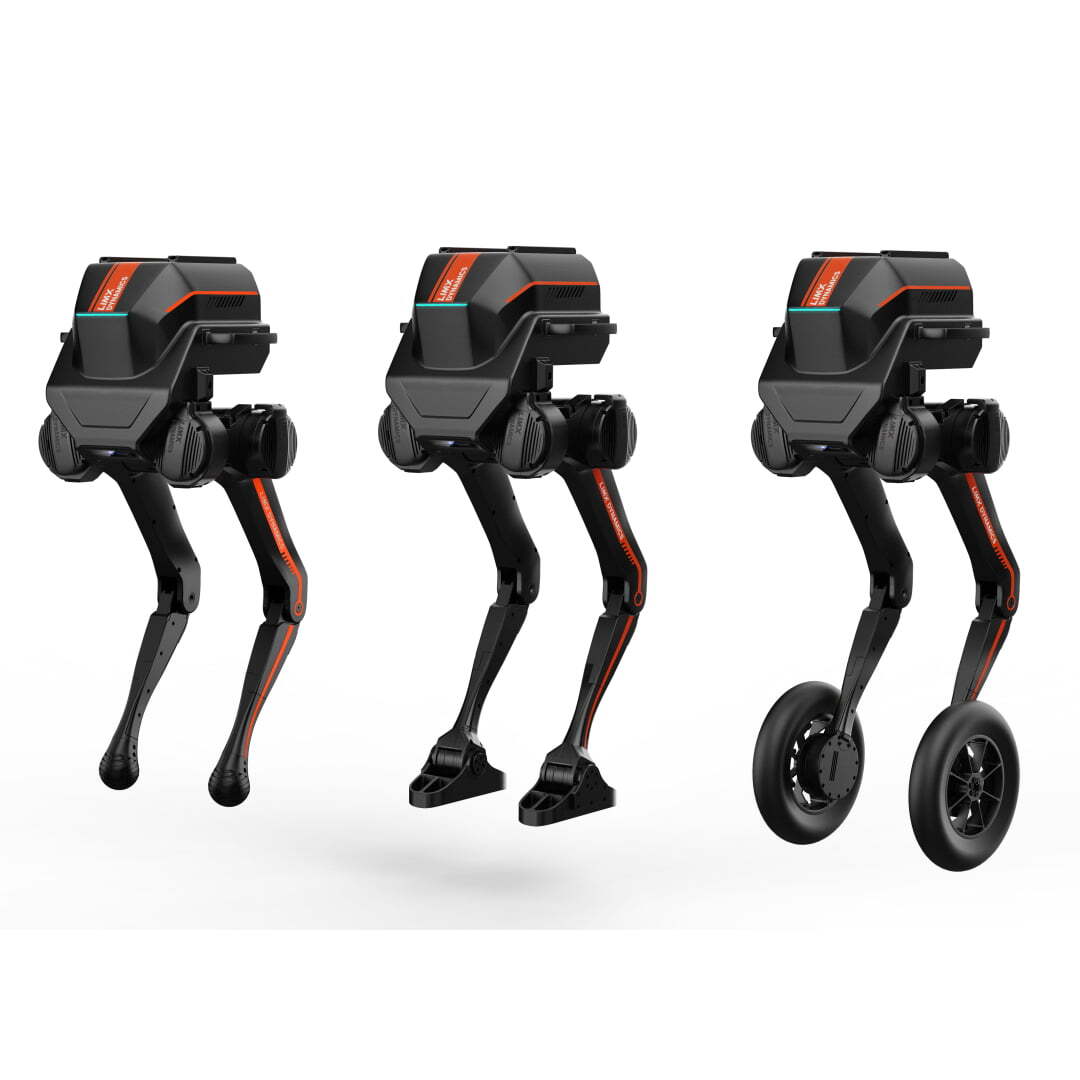
The TRON 1 Multi-Modal Biped Robot is a modular mobility and research platform for robotics laboratories, educators and developers exploring embodied AI and locomotion control. Its interchangeable point-foot, sole and wheeled foot-end designs let teams examine different mobility strategies on one robot platform.
Choose the Standard Edition for guided mobility demonstrations and hardware evaluation, or the EDU Edition for access to developer tools, SDK workflows and research-oriented joint control. Exact included foot-end modules and expansion kits should be confirmed with the quotation.
Product Video
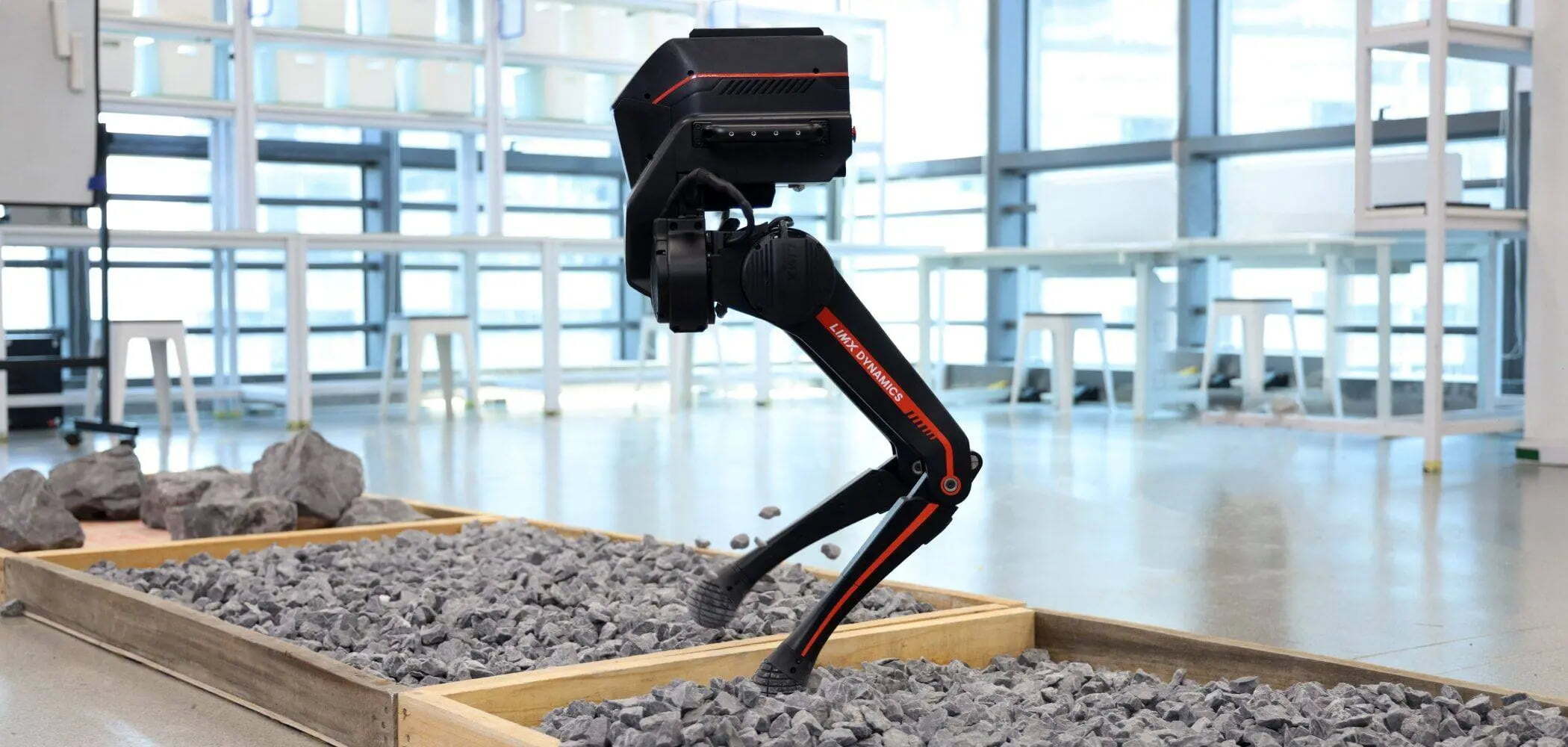
Watch a TRON 1 demonstration covering modular mobility and movement on different terrain. The video illustrates platform capabilities; foot-end packages, sensors and optional expansion kits vary with the selected edition.
Key Features
Three Mobility Forms
Interchangeable point-foot, sole and wheeled foot ends support comparative gait and locomotion studies.
Research-Oriented EDU Edition
EDU adds the SDK, developer interfaces, data recording, visualization and joint-control workflows.
Compact Modular Platform
A robot body weighing no more than 20 kg simplifies handling and development in prepared indoor labs.
Sensor & Peripheral Expansion
USB 3.0, Gigabit Ethernet and a 24 V peripheral output support compatible research peripherals.
Application Areas & Deployment Scenarios
Embodied AI & Reinforcement Learning
Compare locomotion policies and validate motion algorithms across different robot configurations.
University Teaching and Robotics Labs
Use the EDU Edition for hands-on study of biped control, data logging, joint feedback and software development.
Multi-Terrain Mobility Experiments
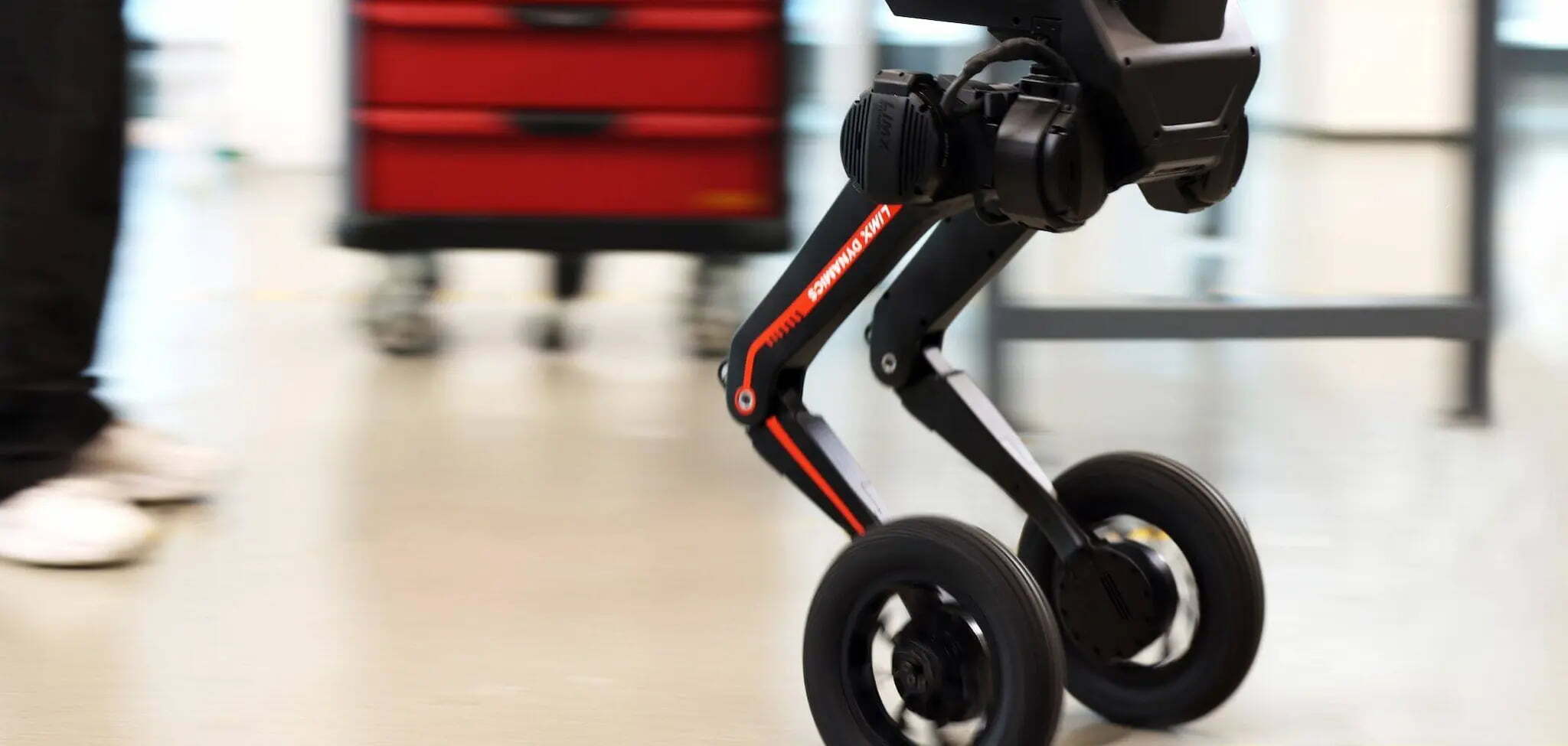
Evaluate wheeled and legged movement in controlled test environments, with performance dependent on ground conditions and selected foot ends.
Modular Platform Integration
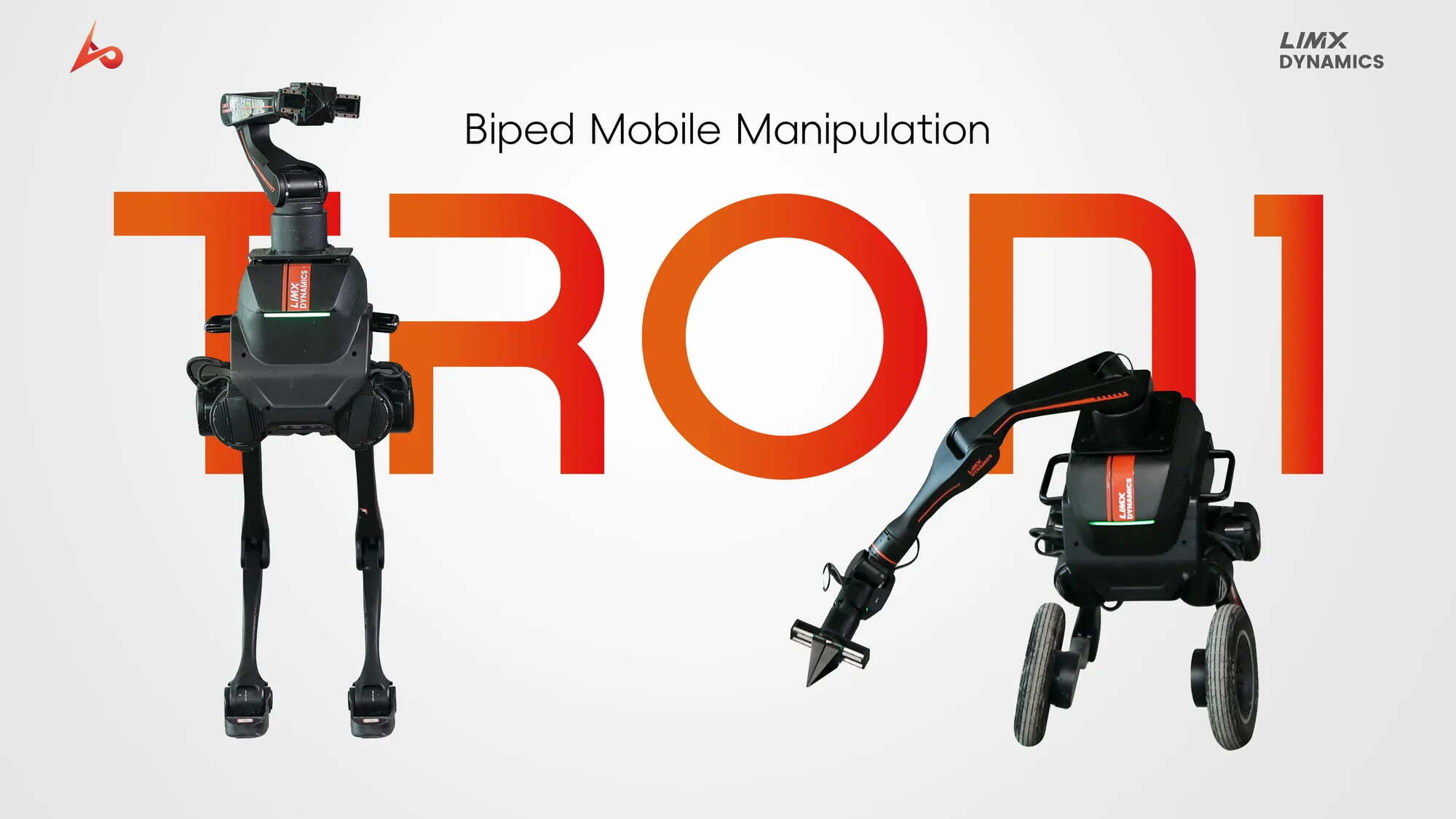
Evaluate optional perception, interaction and manipulation kits for supervised research and demonstration projects.
Standard vs EDU Edition
Both editions share the multi-modal robot platform. The principal difference is developer access and associated software resources, rather than a guaranteed change in mobility performance.
| Feature | Standard Edition | EDU Edition |
|---|---|---|
| Intended user | Robot demonstrations and basic mobility experiments | University laboratories and algorithm researchers |
| Multi-modal mobility | Supported | Supported |
| Secondary development / SDK | Not provided as standard | Available |
| Data visualization and recording | Not provided as standard | Available |
| Joint-level development workflow | Not provided as standard | Available |
| RGBD camera | Check optional compatibility | Confirm included vs optional sensor package |
| Foot-end accessories | Confirm package contents | Confirm package contents |
Modular Hardware & Developer Integration
Foot-End Configuration
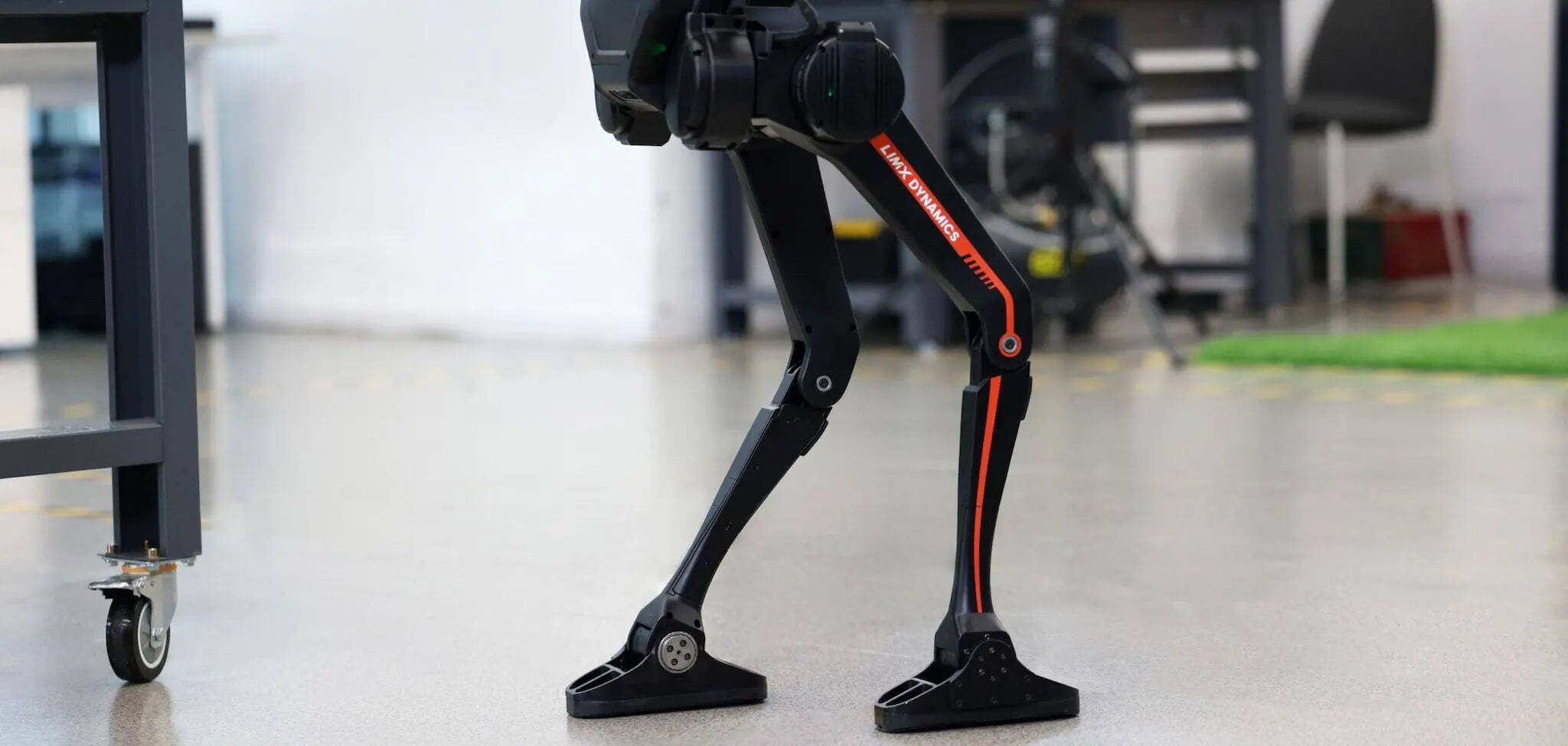
Point-foot, sole and wheeled configurations use replaceable hardware. Confirm which accessories ship with the selected edition, as availability and included modules may differ by package.
Expansion Interfaces
One USB 3.0 port, one Gigabit Ethernet port and a 24 V peripheral output rated at 100 W (200 W peak) are listed on the manufacturer specification page.
Research Setup
EDU development work may involve a host computer, network connection, compatible SDK release and a properly managed test area. Optional camera, arm or voice kits are not assumed to be standard.
Technical Specifications
| Product | TRON 1 multi-modal biped robot |
|---|---|
| Editions | Standard Edition / EDU Edition |
| Foot-end modes | Point-foot / Sole / Wheeled |
| Typical load capacity | Up to 10 kg on the current specification page |
| Standing dimensions | Up to 392 × 420 × 845 mm |
| Robot net weight | 20 kg or less (not packaged weight) |
| Wheeled-mode speed | Up to 3 m/s, manufacturer test figure |
| Climbing angle | Up to 30° in manufacturer wheeled-mode testing |
| Obstacle clearance | Up to 20 cm in manufacturer wheeled-mode testing |
| Operating environment | -5°C to 40°C, favorable conditions |
| Battery voltage / capacity | 46.8 V / 4.5 Ah (current product page) |
| Operating time | Up to 2 hours, depending on use |
| Charging | Less than 1 h (20–80%); about 1.5 h to full |
| Onboard computer | 12th Gen Intel i3 / 16 GB RAM / 512 GB storage |
| Rated / peak actuator torque | 30 / 60 N·m (current specification) |
| Actuator peak speed | 15 rad/s |
| Peripheral I/O | USB 3.0 ×1; GbE ×1 |
| Peripheral power | 24 V / 100 W (200 W peak) |
| Remote range | 50 m nominal |
| Emergency stop | Remote and hardware e-stop |
Performance figures depend on foot-end type, software and surface conditions. Battery, actuator and camera specifications vary across published revisions. Final supply configuration should be confirmed against the purchase quotation.
Deployment & Research Planning
For a university, integrator or robotics R&D team, confirm research objectives, lab floor conditions, required foot-end packages, sensor configuration and developer access before procurement. Establish a supervised operating area and use the manufacturer-provided emergency-stop procedures.
If research involves manipulation, navigation or voice interaction, request a separate quote for compatible expansion kits. Images depicting an arm or voice kit are examples of optional integration and do not establish standard package contents.
Frequently Asked Questions
What is the difference between the Standard and EDU editions?
The EDU Edition is intended for secondary development and includes additional developer-oriented software access and tooling. Confirm the exact software and hardware bundle with the quote.
Can TRON 1 switch between wheels and walking feet?
The platform supports modular point-foot, sole and wheeled configurations. Check which foot-end sets are included in your selected package.
Does the robot include an RGBD camera?
Sensor inclusion depends on edition, market and package. Current and archived manufacturer listings differ, so confirm the sensor BOM before order.
Can it be used for outdoor all-weather deployment?
The product is primarily a research platform. Published operating temperatures are -5°C to 40°C under favorable conditions, and no all-weather rating is assumed.
Is a robotic arm included?
No arm expansion kit is assumed to be included. Mobile manipulation requires selecting and confirming a compatible optional configuration.
Discuss Your Project Requirements
Tell us your preferred edition, research application, foot-end configuration, required sensor kit, delivery destination and project timeline. Robotmall can help review available configurations and coordinate sourcing and deployment planning.
Request a Quote & ConsultationAbout robotmall
robotmall is a global B2B robotics solutions platform connecting manufacturers, technology partners and businesses worldwide. We support solution evaluation, sourcing, deployment coordination and post-deployment services through Robot.icu.

- Editions:
- Standard / EDU
- Foot Modes:
- Point-Foot / Sole / Wheeled
- Load Capacity:
- Up to 10 kg
- Net Weight:
- 20 kg or less
- EDU Tools:
- SDK and joint-control development
- Interfaces:
- USB 3.0 / GbE / 24 V


