



Key Advantages
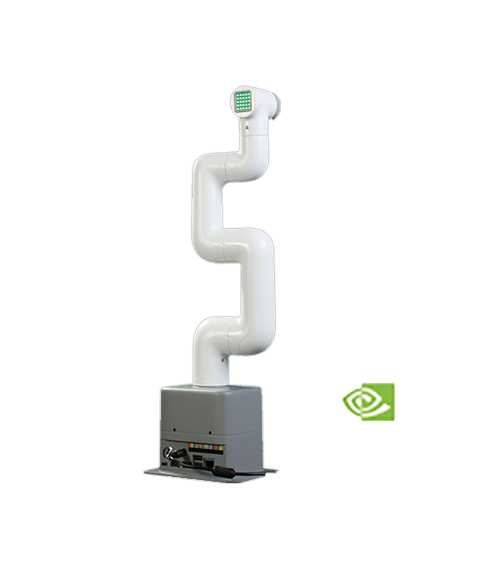
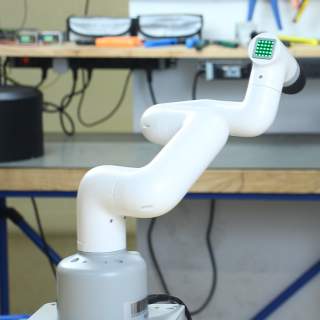
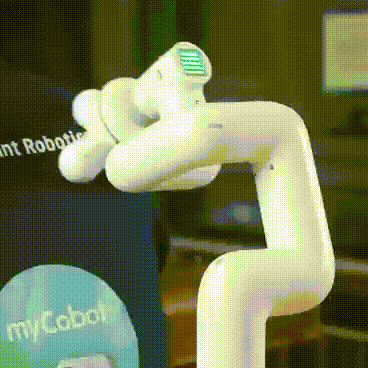
World's Smallest 6-Axis Robot Arm
Packs full 6 DOF articulation into a lightweight metal body — the only desktop arm that delivers industrial-grade multi-axis motion for under $1,000.
ROS 1 + ROS 2 Dual Support
Both Pi and M5 variants run ROS 1 and ROS 2 natively — researchers prototype on ROS 2 while educators keep ROS 1 compatibility, all on one hardware platform.
Two Controllers, One Ecosystem
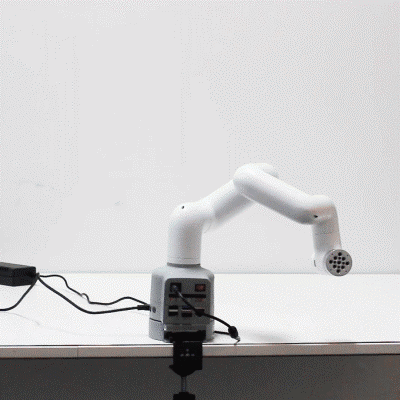
Pi houses a 1.5 GHz quad-core Linux computer with HDMI out; M5 runs on ESP32 with onboard LCD — choose the brain that fits your curriculum depth.
LEGO + Screw Dual Mounting
Standard LEGO-compatible hole spacing plus screw mounts — snap onto existing builds or bolt down for permanent lab setups.
Metal Shell, Steel Gears
All-metal chassis with hardened steel gearboxes and 12BIT magnetic encoders — built to survive semester after semester of student handling.
6 Motion Modes, 10,000+ Shipped
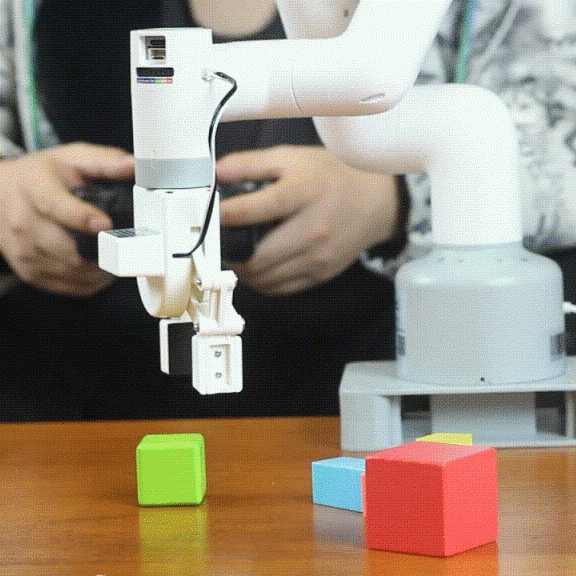
Free, Joint, Cartesian, Track Record, and Wireless modes — battle-tested across 50+ countries in classrooms, labs, and maker spaces worldwide.
Proven Across Industries
From university labs to factory floors, the world's smallest 6-axis robot arm adapts to environments where precision, space, and versatility matter most.
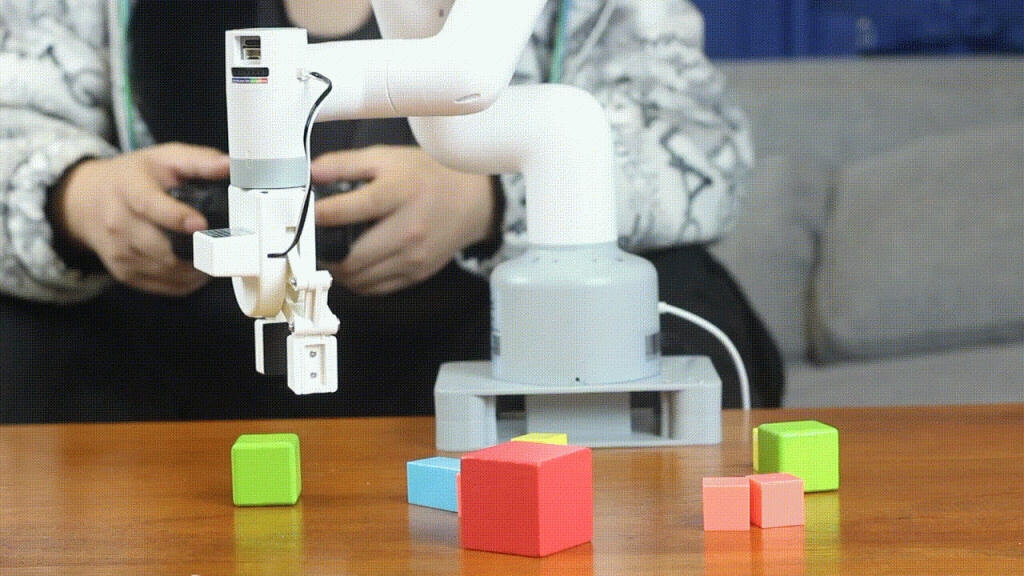
STEM Education & University Robotics Labs
From introductory programming to advanced kinematics, both variants cover the full learning curve. M5's onboard LCD and multi-language support lower the entry barrier for beginners, while Pi's native ROS environment challenges advanced students with real-world robotics workflows.
From introductory programming to advanced kinematics, both variants cover the full learning curve. M5's onboard LCD and multi-language support lower the entry barrier for beginners, while Pi's native ROS environment challenges advanced students with real-world robotics workflows.