


$1.4B Funding Boom: How Neura Reshapes the Global Humanoid Robot Industry
Neura Robotics secured $1.4B Series C funding backed by NVIDIA, Amazon and other giants. This breakthrough solidifies Europe’s position in Physical AI, forming a China-US-EU tripartite robot competition pattern. It accelerates ecosystem upgrades, fuels B2B & B2C robot demand, and ushers in the new era of humanoid robot commercialization, alongside existing industry technical and commercial obstacles.
The AI track is slowly shifting away from screen-based software toward Physical AI, a new generation of intelligent robots that can perceive and interact with the real physical world.
German robotics firm Neura Robotics recently closed a $1.4 billion Series C funding round. Backed by NVIDIA, Amazon, Qualcomm, and Bosch, the company reached a $7 billion valuation and became Europe’s most influential humanoid robot developer.
This massive funding is more than a single company’s success. In this article, we explore how Neura reshapes global competition patterns, optimizes the robotics supply chain, and stimulates B2B and B2C market growth.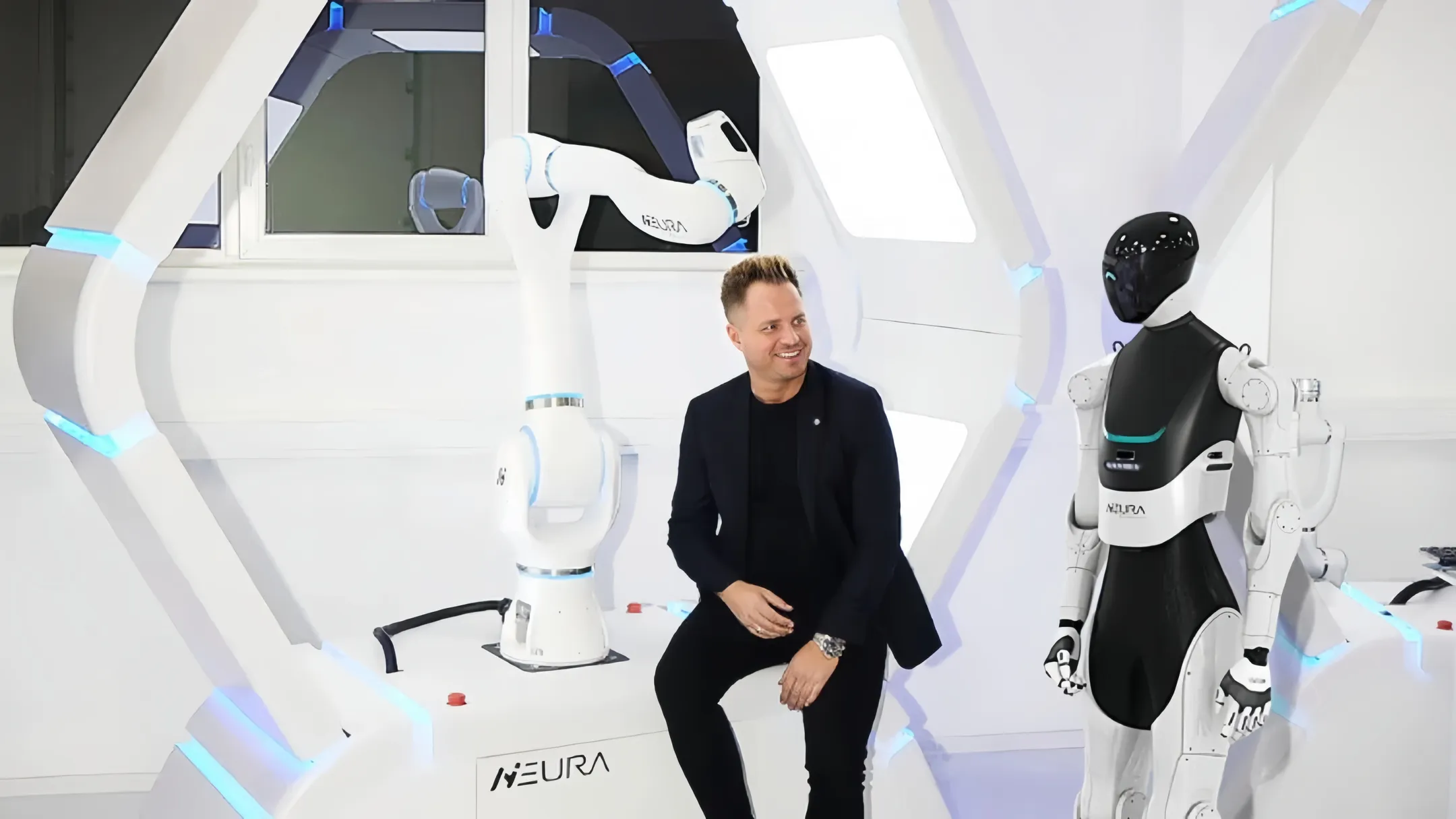
1. Disrupting the Global Market Pattern
For years, Chinese and American companies have dominated the high-end humanoid robot market. Europe has strong industrial automation capabilities, but lacked a world-class intelligent robot developer for a long time.
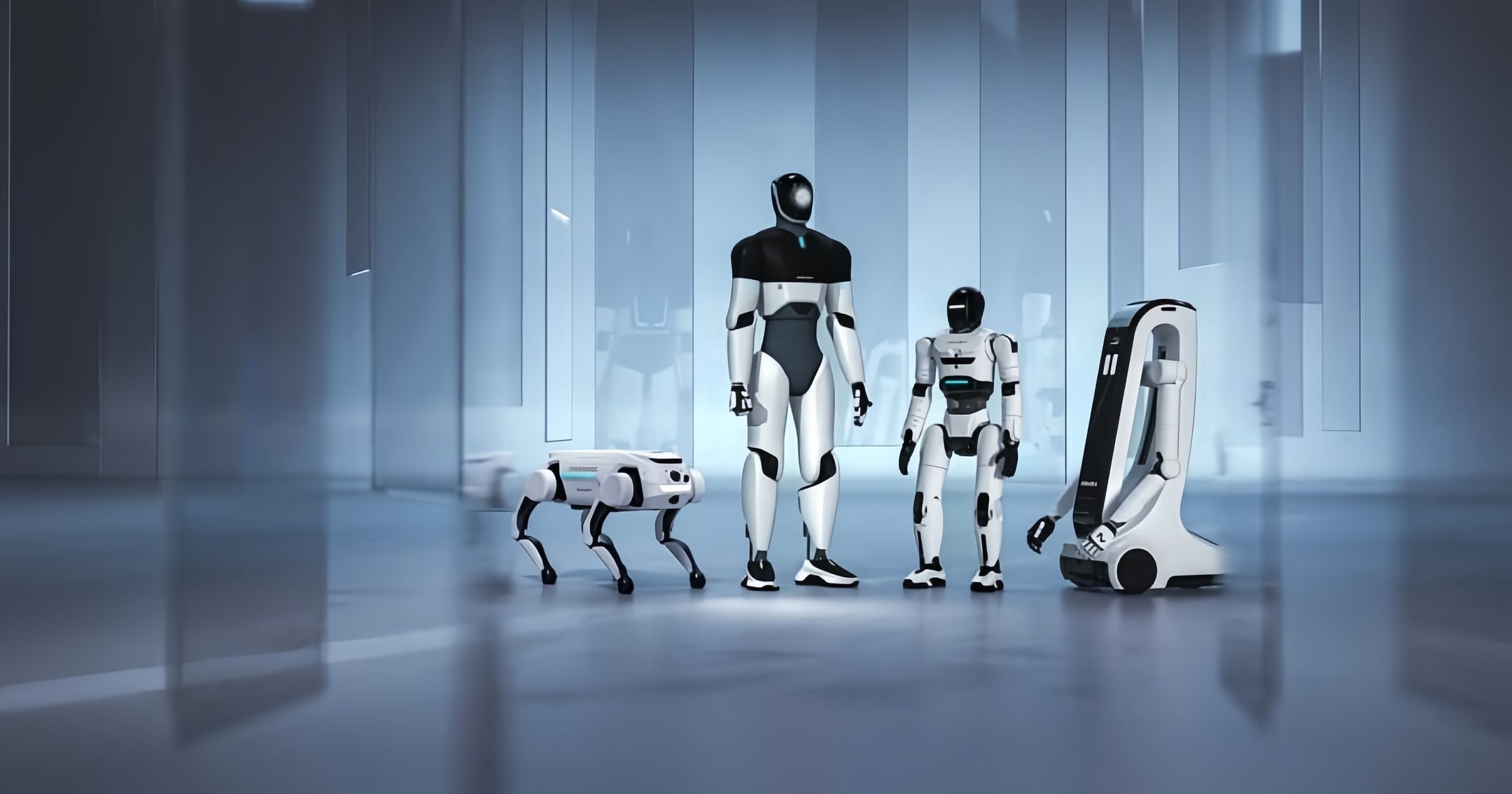
Neura changes this situation. Instead of only manufacturing hardware, the company focuses on developing universal AI systems for humanoid robots, robotic arms, and mobile service robots. Its ultimate goal is to build a unified operating system for the entire robotics ecosystem.
Driven by sufficient capital, Neura has grown into a top-tier global competitor. The robotics industry now forms a tripartite landscape led by China, the US, and Europe. Meanwhile, the ongoing industry consolidation concentrates resources on tech-driven enterprises, putting huge competitive pressure on small manufacturers that only produce single hardware products.
2. Rebuilding the Complete Robotics Ecosystem
Neura will allocate raised funds to technology upgrades, production expansion, and global business deployment. With support from its strategic investors, the entire industrial supply chain has achieved comprehensive optimization across three dimensions.
Upstream Components: Neura cooperates with NVIDIA and Qualcomm to embed high-performance chips and edge computing modules into robots. Component suppliers have transformed into strategic partners to solve computing power and sensor problems through customized joint research.
Midstream Manufacturing: A unified operating system has become the core of industrial competition. Similar to smartphone systems, standardized robot software supports real-time updates and cross-device connection. Combined with Amazon’s cloud and logistics resources, the commercialization difficulty of intelligent robots is greatly reduced.
Downstream Application: Robots have broken the limitations of manufacturing and logistics. At present, they are gradually applied to retail, medical care, and household scenarios. Europe is also accelerating the layout of localized human-machine collaboration solutions with policy and capital advantages.
3. Synchronous Growth of B2B & B2C Demand
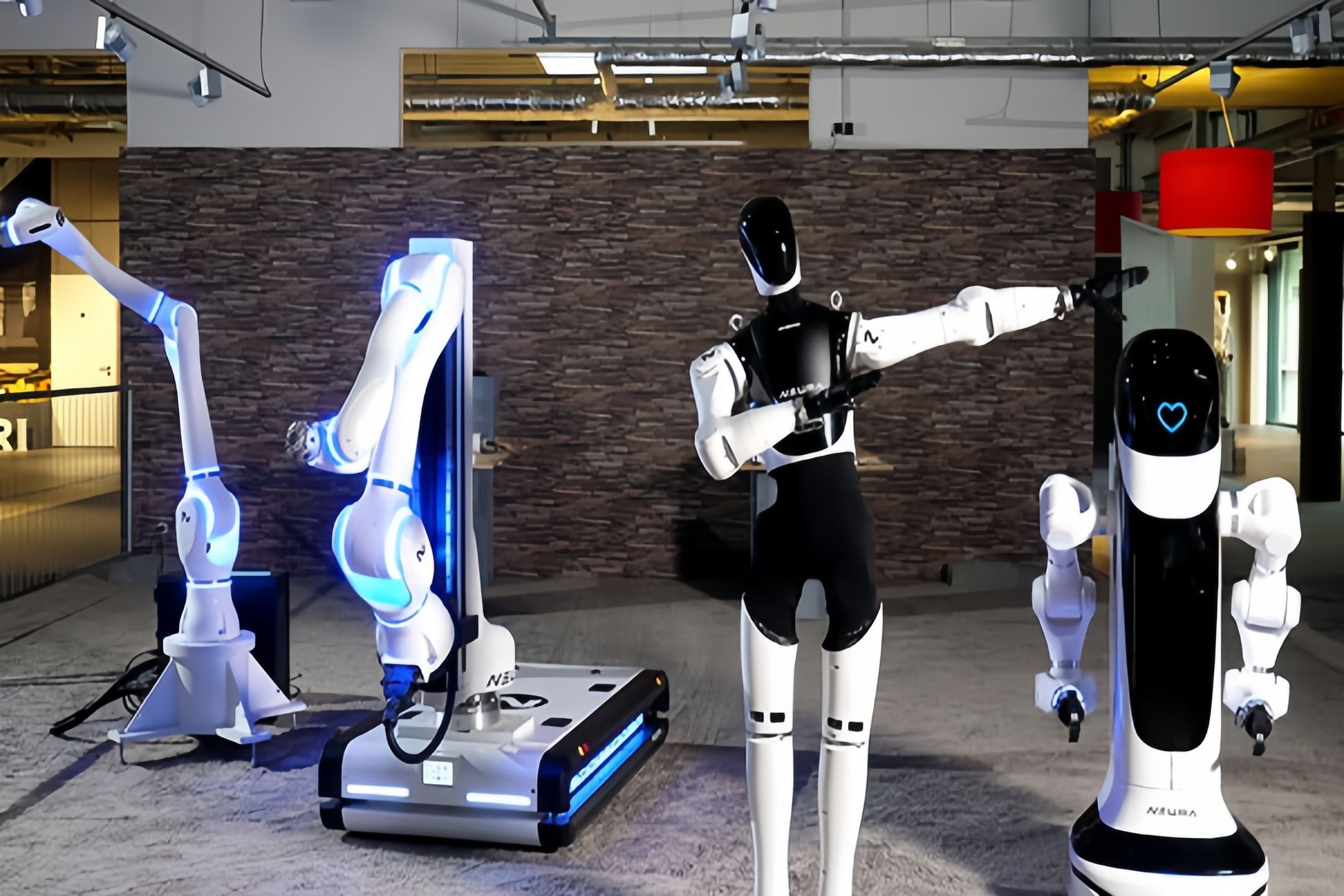
Driven by capital prosperity, technological iteration and lower production costs, global robot market demand has surged rapidly. Data shows that global robotics startups raised $55.8 billion in 2026, doubling last year’s volume and setting a new historical record.
B2B Market: Global labor shortages and rising labor costs push enterprises to adopt automation equipment. Collaborative robots can operate stably around the clock to help businesses cut costs. Declining production costs also make robotic solutions accessible to small and medium-sized enterprises.
B2C Market: Consumer demand for smart home devices is constantly upgrading. Different from traditional single-function cleaning robots, modern service robots can complete housework, elderly care and home security work. Under the trend of global aging, humanoid robots are gradually becoming popular smart home products with enormous market potential.
4. Industry Challenges & Future Trends
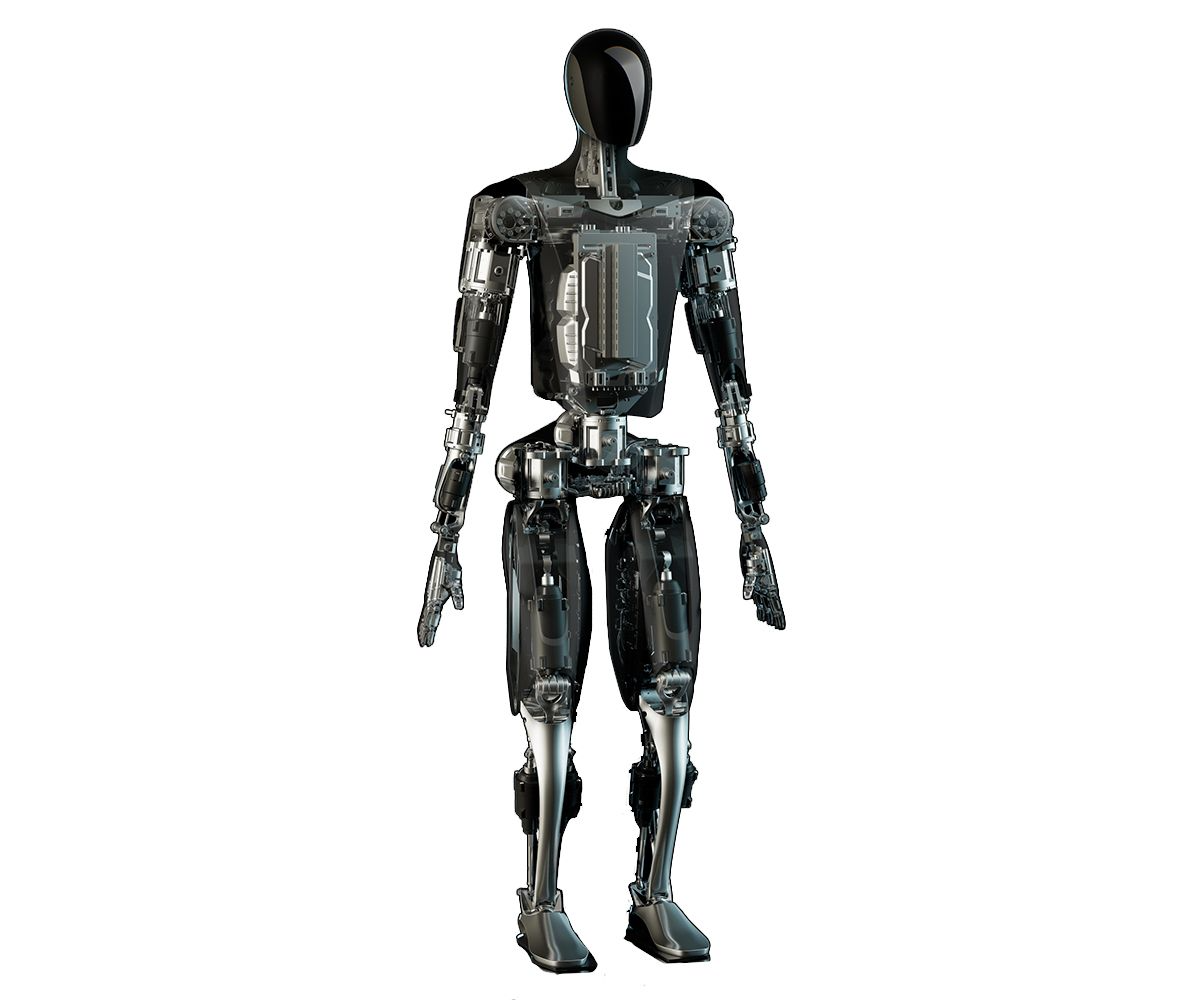
The humanoid robot industry still faces unavoidable challenges. Neura’s funding is issued in phases tied to performance indicators, which means the company still needs to solve problems in mass production and profitable operation. In addition, insufficient flexible movement capability limits the large-scale popularity of household robots.
Even so, Physical AI is an irreversible technological trend. Neura’s financing event marks a key turning point for the industry, shifting from prototype research to large-scale commercialization.
Human-robot collaboration will become mainstream in work and daily life in the future. The golden era for Physical AI and humanoid robots has officially begun.
At Robotmall, we've been tracking this transition and sourcing the robots that are ready to deploy today — not next year. Talk to our team to find the right fit for your operation.
Talk to a robot specialist →peter@robotmall.com

(All images used in this article are sourced from the internet. Please contact us for immediate removal if any copyright infringement occurs.)